
Eulaliopsis binata
Eulaliopsis binata (Retz.) C. E. Hubb.
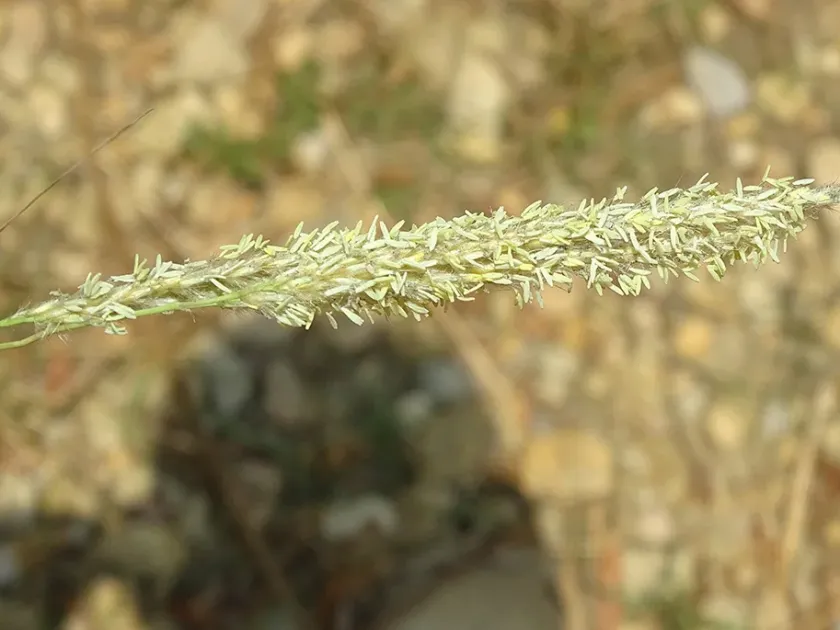
Description
Sowing dates
Eulaliopsis binata, commonly known as sabai grass, is primarily propagated through the division of rootstocks, ensuring a robust establishment in the field.
Planting is ideally scheduled at the onset of the monsoon season, providing the plants with the necessary moisture to develop deep root systems before the drier months.
When seeds are used, they are sown in dedicated nursery beds to control initial growth conditions until the seedlings reach a transplantable stage.
Proper spacing is essential to prevent overcrowding, typically requiring a grid that allows individual clumps to expand without resource competition.
Land preparation involves deep plowing to break compacted soil layers, which facilitates the penetration of the fibrous roots of the grass.
Growing requirements
This species belongs to the Poaceae family and is native to diverse ecosystems across South and Southeast Asia, showing remarkable adaptability to varied terrains.
Eulaliopsis binata thrives in poor, rocky, and eroded soils where many traditional agricultural crops fail, making it an excellent choice for land reclamation.
The plant is highly drought-tolerant, capable of surviving through extended dry seasons thanks to its persistent and deep-reaching rhizomatous root architecture.
While it prefers full sun for optimal photosynthesis and fiber production, it demonstrates significant plasticity regarding temperature fluctuations in high-altitude environments.
It performs best in well-drained soils, as waterlogging is detrimental and can lead to the decay of the underground parts of the plant.
Yield
The main commercial value of Eulaliopsis binata lies in its long, durable fibers, which are highly sought after by the paper and pulp industry for high-quality production.
Beyond pulp, the grass is extensively used in the manufacturing of rope, mats, and other woven artisanal products that require significant tensile strength.
An established plantation can yield multiple harvests over its productive lifespan, which can extend for over a decade with proper field management.
The crop serves a vital role in soil conservation, as its dense root mat effectively stabilizes slopes and reduces the risks associated with surface runoff and erosion.
Farmers benefit from its perennial nature, as it requires minimal annual investment after the initial planting phase, leading to sustainable long-term returns.
Main diseases and pests
Eulaliopsis binata is generally resistant to most common crop pests, which significantly lowers the cost of chemical inputs during the growing season.
Fungal diseases are the most common concern, particularly in poorly ventilated or excessively humid conditions that promote rot in the rootstock area.
Weed management is vital during the first year of planting, as the grass seedlings grow relatively slowly and can be easily choked by more aggressive vegetation.
Integrated pest management strategies are recommended to maintain plant health, focusing on maintaining field hygiene and appropriate plant density.
Monitoring for shoot-boring insects is beneficial during the early growth stages, as early detection allows for efficient containment without extensive crop damage.
Harvesting
Harvesting typically occurs when the grass reaches its peak maturity, characterized by the hardening of stems and optimal fiber density for industrial extraction.
Manual harvesting using traditional tools remains the most common method, as it allows for the selective removal of stems while protecting the root clumps.
Post-harvest, the stems must be thoroughly sun-dried to reduce moisture levels, which prevents bacterial growth and fiber degradation during storage.
Efficient drying processes involve stacking the grass in ventilated bundles, ensuring that air circulates freely to remove moisture from the innermost stalks.
After the harvest, the plantation requires minimal post-harvest care, limited to clearing dead debris to stimulate regrowth for the next productive cycle.