
Red escalonia
Escallonia rubra (Ruiz & Pav.) Pers.
Description
Growing requirements
Red escalonia (Escallonia rubra) is a popular evergreen shrub belonging to the Escalloniaceae family. Originating from the mountainous regions of South America, particularly Chile, it has become a staple in temperate climate gardens worldwide.
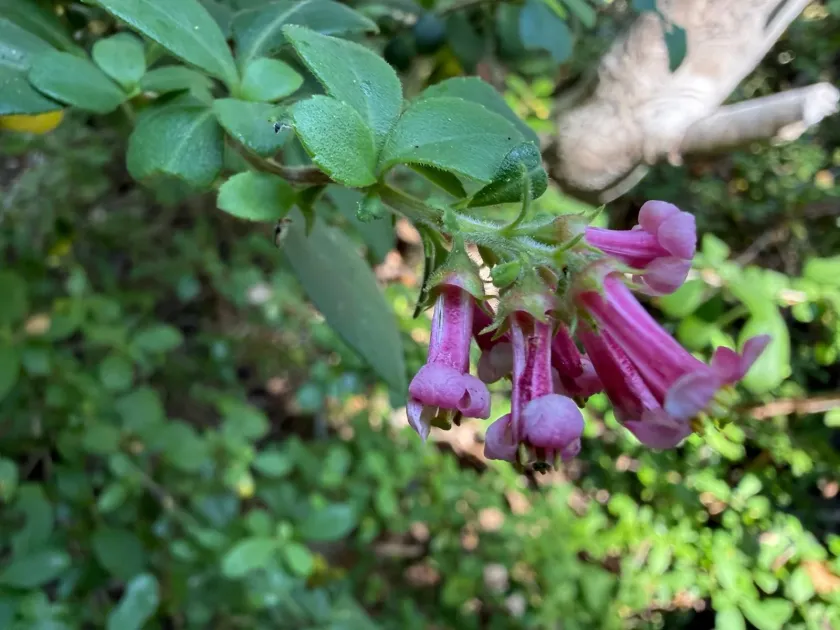
Botanically, the plant is known for its glossy, dark green, serrated leaves and striking tubular red flowers that appear in summer. It is a robust shrub that can grow up to 3-4 meters, providing dense foliage that makes it ideal for screening or privacy hedges.
Successful cultivation of this species requires well-drained, fertile soil with a neutral to slightly acidic pH. The plant struggles in waterlogged conditions, so it is essential to ensure that the site has adequate drainage to prevent root rot.
The climate requirements for Escallonia rubra are specific, as it thrives in mild environments with plenty of sunshine and protection from harsh winds. While it is somewhat cold-hardy, in regions where temperatures drop significantly below zero, protection is necessary.
In terms of agricultural and landscape usage, the plant is highly versatile and prized for its ability to tolerate maritime conditions. Its excellent tolerance to pruning allows for easy shaping, making it a perfect candidate for formal garden borders and windbreaks.
Main diseases and pests
The primary threats to the plant's health are fungal diseases, such as leaf spot and powdery mildew. These issues often arise when there is high humidity and lack of airflow within the shrub, requiring careful pruning to keep the canopy open.
Common pests include aphids and scale insects, which can drain the plant's vitality. Integrated pest management strategies, such as using horticultural oils or systemic insecticides during the early stages of infestation, are highly effective in maintaining the health of the shrub.