
Smooth escalonia
Escallonia laevis (Vell.) Sleumer
Description
Growing requirements
Smooth escalonia (Escallonia laevis) is an evergreen ornamental shrub belonging to the Escalloniaceae family. Originating from South America, specifically Brazil, this plant is valued for its ability to maintain lush foliage throughout the year in suitable climates.
Regarding cultivation requirements, the species thrives in sunny locations with protection from harsh, drying winds. It prefers open areas where it can receive ample light to stimulate vigorous flowering and healthy foliage development.
The soil should be fertile, well-draining, and slightly acidic. Good drainage is essential, as the roots are susceptible to rot if exposed to waterlogged conditions for extended periods. Incorporating organic matter into the soil can improve structure and nutrient availability.
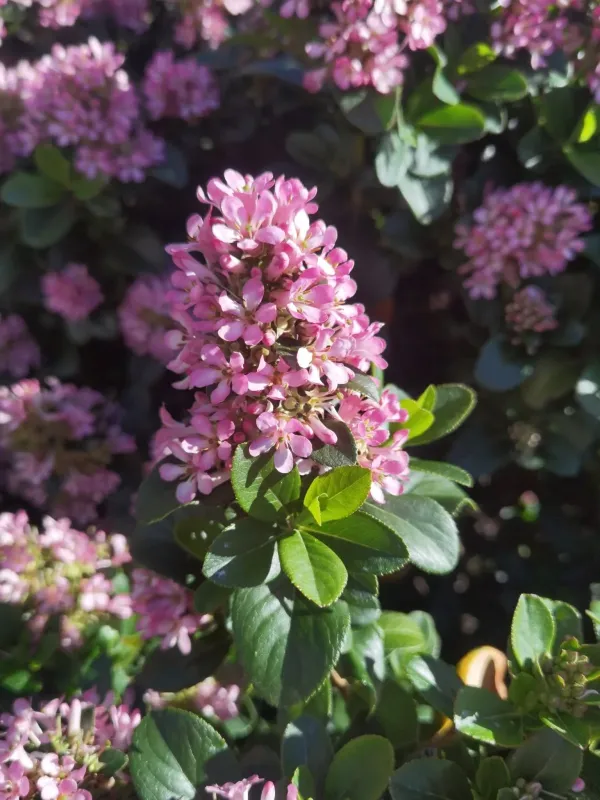
Botanically, the plant is characterized by its glossy, elliptical, and slightly leathery leaves. The flowers appear in terminal panicles, usually displaying shades of white to pink. It is a popular choice for hedging and screening in temperate landscape designs.
Agricultural management involves regular watering during dry spells and the application of balanced fertilizers at the start of the growth season. Pruning should be carried out after flowering to maintain the desired shape and density of the shrub.
Main diseases and pests
Common diseases affecting Escallonia laevis include leaf spot and other fungal infections favored by high humidity. Improving air circulation around the plant is the most effective cultural method to prevent the spread of such pathogens.
Pest pressures primarily come from sap-sucking insects like aphids and spider mites. These pests thrive in dry conditions and can cause stunted growth if left unmanaged. Regular inspection of the foliage is recommended to enable early intervention.
Winter hardiness is a significant limitation for this species. In regions prone to frost, it is necessary to protect the plant with mulch at the base and use horticultural fleece to shield the branches from freezing temperatures.
Nutrient deficiency, particularly iron chlorosis, can occur if the soil pH is not maintained within the optimal range. Regular soil testing and the addition of amendments can help prevent this discoloration and keep the plant vigorous.
Overall, maintaining plant health involves a balance of proper irrigation, sanitation, and timely pest monitoring. Following these practices ensures the longevity and ornamental success of the shrub in various garden settings.