
Erythrophysa transvaalensis
Erythrophysa transvaalensis
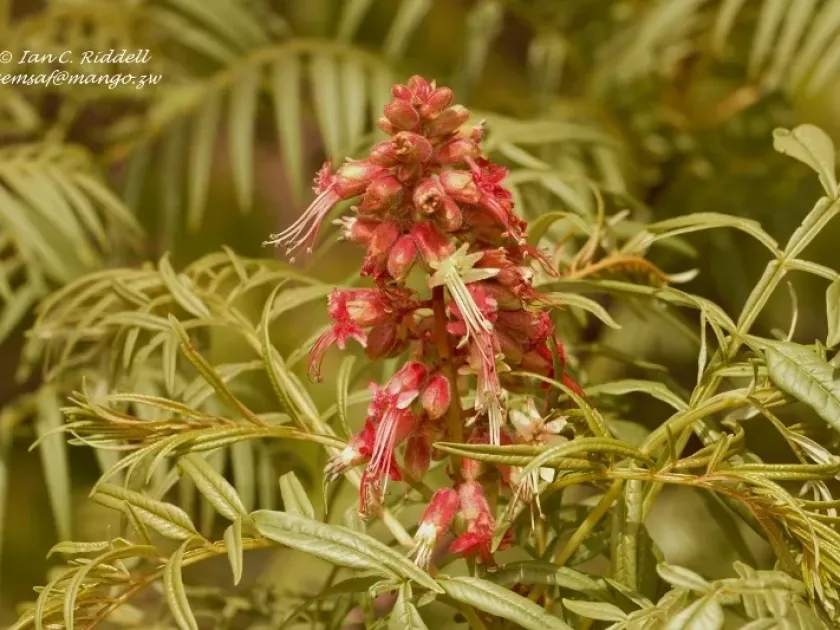
Description
Sowing dates
Propagation of Erythrophysa transvaalensis is primarily achieved through seeds. The seeds possess a tough outer layer that benefits from scarification before planting to improve germination rates.
The ideal time for sowing is during the spring when temperatures are consistently warm. Seeds should be planted in a well-draining, sandy soil mix at a depth of about 1 cm.
Consistent moisture is required during the germination phase, but over-watering must be strictly avoided. The container should be placed in a warm area to encourage sprouting.
Seedlings are susceptible to damage, so they should be kept in a controlled environment until they are robust enough to handle environmental fluctuations.
Transplanting to individual containers or permanent locations should occur once the seedlings develop several sets of true leaves and have established a sound root system.
Growing requirements
Erythrophysa transvaalensis is a member of the Sapindaceae family, native to the dry regions of South Africa. It is a hardy, drought-tolerant plant that thrives in sunny conditions.
The plant requires full sun to maintain its structural integrity and encourage flowering. Providing sufficient light is the most important factor in its daily maintenance.
Well-draining, porous soil is essential for this species. It is highly intolerant of waterlogged conditions, which often result in rapid root decline and death.
It is not frost-tolerant and must be protected from freezing temperatures. In cooler climates, the plant should be grown in containers that can be moved indoors.
The plant's natural habitat dictates a climate with distinct dry and warm cycles, which should be mimicked as closely as possible in a domestic or garden setting.
Main diseases and pests
Root rot is the most common health issue for this plant, almost exclusively caused by improper watering practices or heavy, poorly drained soil types.
Pests such as spider mites and scale insects can attack the foliage, especially when the plant is stressed by low humidity or poor air circulation.
Regular monitoring of the leaf undersides is recommended to detect these pests early. Standard horticultural oil or systemic insecticides can be used for control.
Fungal infections may occur in environments with high humidity levels. Ensuring adequate spacing between plants and good ventilation helps mitigate these risks.
A balanced care routine, including precise water management and regular inspections, is the best strategy to keep this plant healthy and thriving.