
Erythrophysa alata
Erythrophysa alata
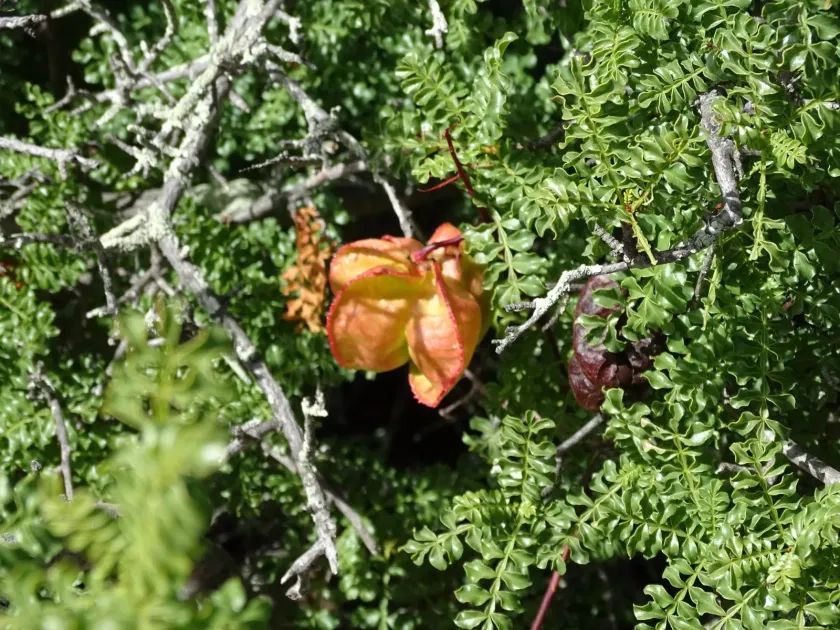
Description
Sowing dates
Erythrophysa alata, a member of the Sapindaceae family, propagates via seeds which develop within its unique, bladder-like winged fruit pods.
For successful germination, seeds typically require mechanical scarification or soaking in warm water for 24 hours to soften the hard outer coat.
The ideal time for sowing is during the spring season when soil temperatures are consistently high, preferably between 20 and 25 degrees Celsius.
Sowing should be done at a shallow depth of approximately 1 to 2 centimeters in a well-draining, lightweight potting medium.
Consistent warmth and moderate moisture levels during the germination phase significantly increase the rate of successful seedling emergence.
Growing requirements
Originating from the arid regions of South Africa, this species thrives in environments with high light intensity and long periods of sunshine.
The plant requires well-draining soil, ideally sandy or loamy textures, as it is highly susceptible to root rot in waterlogged conditions.
It is not frost-hardy and must be kept in frost-free locations, making it suitable for greenhouses or mild climates with no freezing winter temperatures.
Erythrophysa alata is well-adapted to drought, yet occasional deep watering during the peak growing season encourages more vigorous foliage growth.
Proper air circulation is essential for the health of the plant, particularly when grown in confined spaces to prevent fungal pathogen buildup.
Yield
The primary utility of Erythrophysa alata is purely ornamental, appreciated for its bright flowers and distinct, inflated red or orange-tinted seed pods.
Landscape professionals use this species as a unique focal point in botanical collections due to its interesting architectural form and attractive foliage.
Consistent pruning during the dormant season is recommended to maintain a balanced structure and improve the density of the branching system.
While the plant produces flowers and seeds, its aesthetic output is considered its main yield, which can be maximized through balanced nutrient application.
Proper care, including adequate spacing and light exposure, ensures that the plant develops into a structurally sound and visually appealing specimen.
Main diseases and pests
The most common pests affecting this species in indoor or greenhouse settings include spider mites, mealybugs, and scale insects.
Root rot, caused by overwatering or poor drainage, remains the most significant threat to the overall survival and vigor of the plant.
Regular monitoring of the foliage and stems is necessary to detect pest infestations early, allowing for timely treatment with horticultural oils or soaps.
Fungal infections can also occur if the humidity levels are too high, making ventilation a key component of effective plant protection strategies.
If pathogens are identified, the application of systemic fungicides and a thorough review of the irrigation schedule are required to restore plant health.