
Erythrophysa aesculina
Erythrophysa aesculina
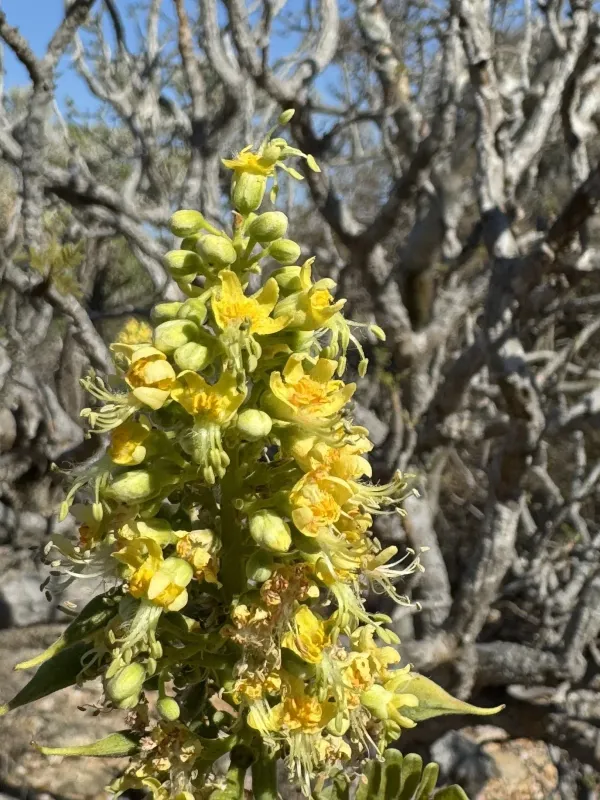
Description
Growing requirements
Erythrophysa aesculina is a remarkable woody species belonging to the Sapindaceae family. Originally native to the southern parts of Africa, this plant has adapted to diverse climatic conditions, making it a unique addition to botanical collections.
Botanically, it is recognized for its pinnate leaves that closely resemble those of the horse chestnut. The plant typically grows as a deciduous shrub or small tree, characterized by its stunning, bladder-like bright red fruit pods that appear after flowering.
Regarding growing requirements, this species thrives in well-drained, sandy loam soils. It is essential to ensure that the planting site has excellent drainage properties to prevent any waterlogging, which the root system is particularly sensitive to.
As a sun-loving plant, Erythrophysa aesculina requires full exposure to direct sunlight for optimal development. While it is naturally drought-tolerant, supplemental irrigation is recommended during the peak growing season to ensure robust health and vibrant foliage production.
The primary use of this plant is ornamental, highly valued for its striking visual impact in xeriscaping or decorative garden projects. Its ability to withstand warm temperatures makes it a suitable candidate for Mediterranean-like climates where frost is rare.
Main diseases and pests
Common pests that may affect Erythrophysa aesculina include scale insects and spider mites. These pests typically congregate on the undersides of leaves or along stems, requiring vigilant monitoring and timely application of targeted horticultural oils or insecticides.
Fungal diseases, such as leaf spot, can become a significant issue during periods of high humidity or poor airflow. Ensuring that the tree is pruned correctly to allow air to circulate through the canopy is a critical preventive step against infection.
Root rot remains a major threat to the long-term vitality of the plant if overwatering occurs. Strict adherence to irrigation schedules, adjusted according to the season and rainfall levels, is necessary to maintain the plant's structural integrity.
In addition to pests, nutrient deficiencies can lead to chlorosis if the soil pH becomes unbalanced. Regular soil testing and the application of balanced micronutrients are recommended to ensure the plant maintains its vibrant green leaf color.
Overall, maintaining plant health involves a combination of environmental management and observation. By preventing environmental stress through proper siting and drainage, the likelihood of severe pest or disease outbreaks is drastically reduced.