
Eryngium variifolium
Eryngium variifolium
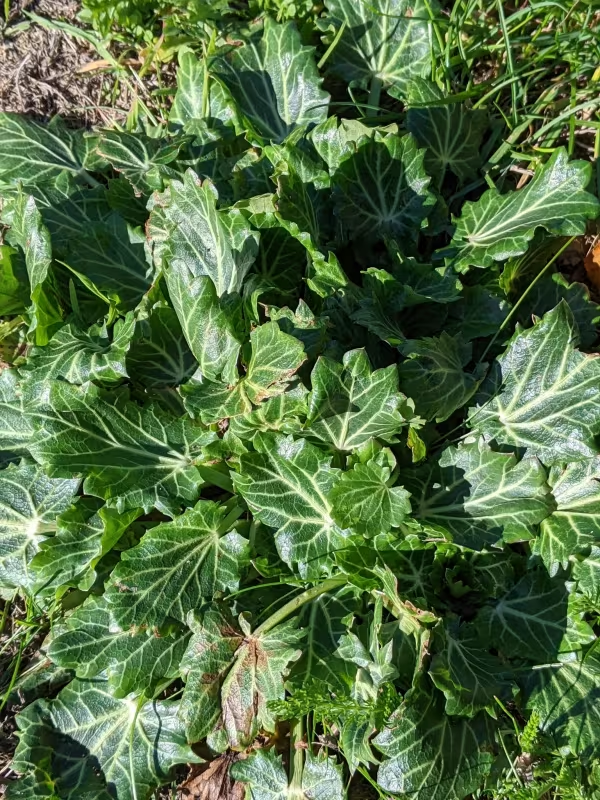
Description
Sowing dates
Sowing seeds of Eryngium variifolium is best performed in late autumn as the seeds require a period of cold stratification to break dormancy. Placing seeds in the ground during winter allows natural environmental conditions to facilitate successful germination in spring.
For spring sowing, seeds should be kept in a refrigerator for 4–6 weeks to mimic winter conditions. They are typically sown in trays during March, maintaining a moist substrate and an ambient temperature of around 18–20 degrees Celsius.
Seedlings should be transplanted to their permanent location only after the risk of frost has completely passed. It is recommended to space plants 30–40 centimeters apart to ensure optimal airflow and reduce the likelihood of fungal disease development.
As a perennial species, Eryngium variifolium develops a significant taproot that dislikes being disturbed. Therefore, it is advisable to plant it in its final destination as early as possible to ensure long-term stability and health of the plant.
The use of mild rooting stimulants may accelerate the establishment of young plants. However, the species is generally vigorous and reliable, provided that the soil conditions are suitable for its specific environmental preferences.
Growing requirements
Eryngium variifolium, a member of the Apiaceae family, is native to the mountainous regions of Morocco. It thrives in open, sunny locations where it receives ample sunlight, which is crucial for maintaining the plant's distinctive variegated foliage and vibrant color.
The ideal soil for this crop is poor, dry, and well-drained. The species is highly sensitive to waterlogged conditions, which can lead to rapid decay of the taproot, particularly during the dormant winter period when moisture levels are higher.
Neutral to slightly alkaline, sandy, or rocky soils are optimal for growth. If the local soil is heavy clay, it must be amended with grit, coarse sand, or pea gravel to improve drainage and prevent the accumulation of moisture around the base of the plant.
This plant is exceptionally drought-tolerant, making it an excellent candidate for regions with hot and arid summers. Once established, it requires little to no supplemental irrigation, as its deep taproot system efficiently accesses ground water.
Fertilizer should be applied sparingly, as high-nitrogen soil promotes excessive leaf production and compromises the decorative appearance and hardiness of the plant. A thin layer of organic mulch or compost once a year is usually sufficient.
Main diseases and pests
Root rot is the most common threat to this crop, typically resulting from poor drainage or excessive soil moisture. The disease manifests as darkening at the base of the stem, often leading to the premature death of the plant.
Powdery mildew may occur if plants are situated too closely together or if the site has poor air circulation. This disease covers the leaves with a white, dusty residue, which significantly detracts from the plant's aesthetic quality.
Common pests include aphids and spider mites, which feed on the sap of the plant. These infestations lead to curled or deformed foliage and reduced vigor, especially during prolonged periods of drought and high heat.
Management of pests and diseases involves using systemic insecticides or biological controls at the first sign of infestation. Maintaining a weed-free zone around the plant base is also essential for preventing localized humidity buildup.
Regular sanitation, such as removing spent flower heads and dead foliage, helps prevent the spread of fungal spores. Ensuring that the crown of the plant stays dry during winter is the most effective preventative measure against rot.
Harvesting
The economic value of Eryngium variifolium lies in its use as a premium material in floral design. Flower stalks are typically harvested when the inflorescences are fully open and exhibit their characteristic silver-blue metallic sheen.
For dried flower production, the harvest should occur on a dry, sunny day. The stems are gathered in small bunches and hung upside down in a dark, well-ventilated space to dry evenly while preserving the structural integrity of the blooms.
The plant is highly prized for its rigid, long-lasting flowers and its attractive, white-veined variegated foliage. These attributes make it a popular choice for both fresh arrangements and high-quality dried floral displays.
In landscape maintenance, the annual cleanup occurs in late autumn. Gardeners cut the stems back to the basal rosette, which prepares the plant for winter and ensures a clean start for the following growing season.
Seed harvesting should be timed carefully as the seed heads turn brown. Collectors must act before the seed capsules shatter and disperse their contents, as the species can readily self-seed if left unattended in the garden.