
Eryngium palmatum
Eryngium palmatum
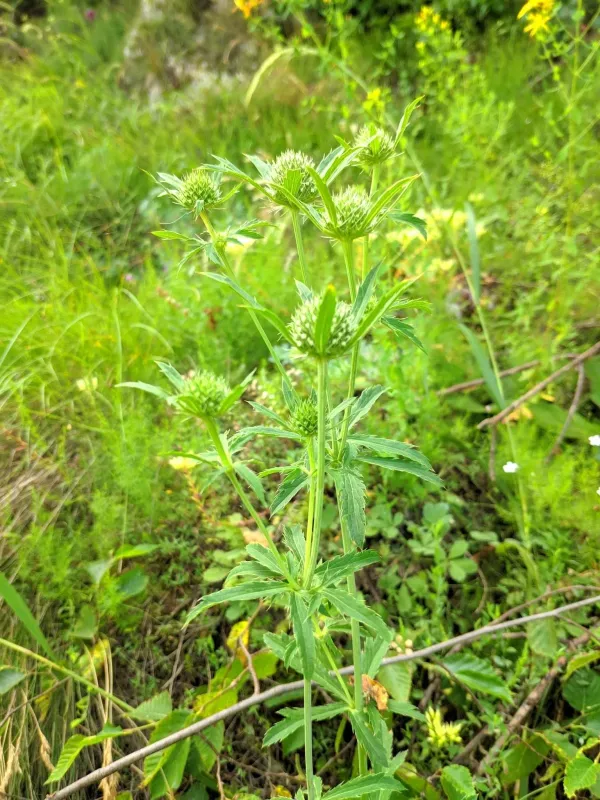
Description
Sowing dates
Eryngium palmatum seeds are typically sown in late autumn for natural stratification or in early spring indoors using greenhouse conditions. Cold treatment for several weeks is essential to break seed dormancy and ensure uniform germination.
When sowing in open fields, seeds should be placed at a depth of 1 centimeter. Consistent but light moisture is necessary during the germination phase, which may take several weeks depending on environmental temperatures.
Seedlings are sensitive to handling, so growing them in individual pots is highly recommended to avoid disturbing the taproot. This method minimizes transplant shock and helps the plant establish a strong foundation early on.
Once the risk of frost has passed, young plants can be hardened off and moved to their permanent outdoor location. Spacing should be approximately 40 centimeters apart to prevent overcrowding and allow proper foliage development.
Care should be taken not to bury the crown of the plant too deep during transplanting. Proper depth helps prevent rot and ensures that the plant remains healthy throughout its long-term growth cycle.
Growing requirements
Full sun is a strict requirement for Eryngium palmatum, as it needs intense light to develop its deep blue pigments and sturdy stems. Shady environments result in weak growth and a lack of the plant's characteristic structural appeal.
This species thrives in lean, well-draining soils and is well-adapted to rocky or sandy conditions. It performs poorly in rich, damp soils that retain moisture for too long, as this promotes root diseases.
Once established, the plant is remarkably drought-tolerant, making it an excellent candidate for xeriscaping or low-maintenance gardens. It requires very little supplemental water, even during the peak of the summer heat.
The optimal soil pH range is neutral to slightly alkaline. If the native soil is heavy clay, amending it with coarse sand or horticultural grit is necessary to improve drainage and aeration around the root zone.
The plant demonstrates good winter hardiness across a wide range of temperatures. While it does not require winter cover in most zones, protecting the root system with a light mulch in extremely cold, exposed areas is beneficial.
Main diseases and pests
Root rot remains the most significant threat to the health of the plant, typically triggered by standing water or excessively damp soil conditions. Improving site drainage is the primary method of preventing this issue.
Powdery mildew may occasionally affect the foliage during periods of stagnant air and high humidity. Ensuring adequate spacing between plants allows for better airflow, which effectively reduces the risk of fungal outbreaks.
Aphids can sometimes target the tender new growth during the spring season. Early detection and the application of mild insecticidal soaps are usually sufficient to manage these populations before they cause damage.
Weed management is vital during the early establishment phase, as the plant grows slowly at first. Keeping the area surrounding the base clear of competing vegetation allows for faster and more vigorous development.
Overall, Eryngium palmatum is a robust and resilient species with few natural predators. Its tough, spiny foliage acts as a natural deterrent to many common garden pests, ensuring the plant remains healthy with minimal intervention.