
Eryngium eburneum
Eryngium eburneum
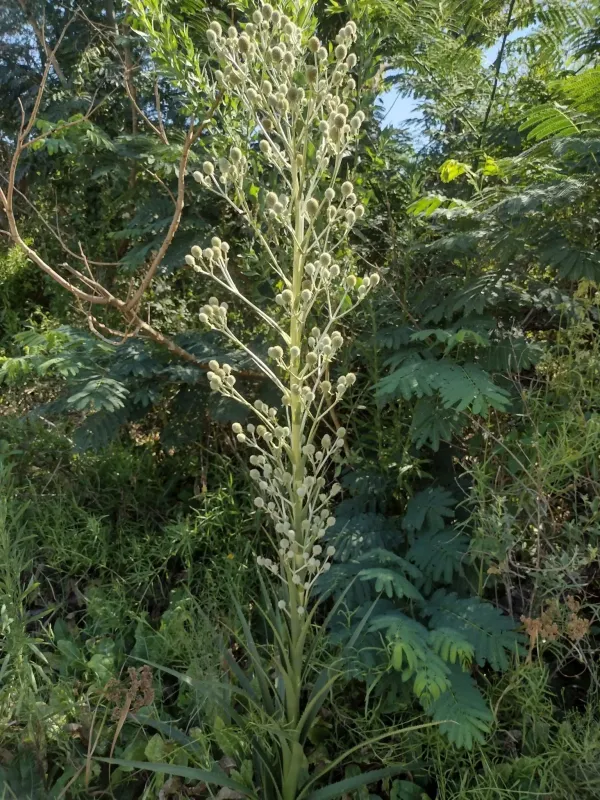
Description
Sowing dates
Sowing Eryngium eburneum seeds is most successful in early spring when the soil temperature consistently reaches about 10–12 degrees Celsius.
For better germination results, seeds should be sown at a shallow depth of approximately 1–2 centimeters, ensuring they are covered with loose soil.
Fall sowing is also a viable option, allowing the seeds to undergo natural stratification, which often results in more vigorous spring emergence.
Maintaining a consistent moisture level during the germination phase is critical, though one must avoid waterlogging the soil to prevent seed rot.
Transplanting seedlings to their final location should be done carefully, ideally when they have developed at least two or three true leaves.
Growing requirements
Eryngium eburneum, a member of the Apiaceae family, originates from South American grasslands and thrives in full sunlight and open areas.
The plant requires well-drained soil, preferably with a sandy or loam composition, to ensure the health of its robust taproot system.
This species is highly drought-tolerant, making it an excellent choice for sustainable garden designs and low-maintenance xeriscaping projects.
It prefers neutral to slightly alkaline soil conditions and does not require frequent or intensive fertilization to thrive in typical garden environments.
Adequate spacing between plants is essential for airflow, which helps prevent foliage diseases and promotes healthy, vertical growth of the flowering stems.
Yield
The primary horticultural value of Eryngium eburneum lies in its structural elegance and unique silvery-green foliage, which provides visual interest.
As a garden perennial, its productivity is measured by its consistent ability to produce striking flower stalks that remain intact throughout the summer.
The plant is highly valued for its suitability in floral arrangements, particularly as a high-quality, long-lasting dried flower for interior décor.
When grown for commercial purposes, the uniformity of the plant growth and the structural integrity of the flowers are the main quality indicators.
Sustainable cultivation practices can ensure a high yield of decorative material, making it a profitable crop for specialty cut-flower nurseries.
Main diseases and pests
Eryngium eburneum is generally a hardy plant, but it can be susceptible to root rot if grown in heavy, poorly drained soil during wet seasons.
Pests like aphids may occasionally infest new flower buds; therefore, periodic monitoring and early intervention with biological controls are recommended.
Good cultural practices, such as removing debris from around the plant base, significantly reduce the risk of common fungal leaf spot diseases.
Overcrowding the plants can lead to poor air circulation, which creates an environment where pests and diseases can proliferate more rapidly.
Keeping the surrounding area free of weeds ensures that the Eryngium does not compete for nutrients, leading to stronger, more pest-resistant plants.
Harvesting
Harvesting the flower stalks should occur when the heads are fully open and have developed their characteristic color and firm texture.
Sharp, clean cutting tools are required to perform a clean cut without damaging the plant crown, which ensures the plant remains healthy for future seasons.
After harvesting, the stems should be bundled and hung in a shaded, well-ventilated area to dry, which preserves their structural shape.
Proper drying is essential to prevent the flowers from becoming brittle or discolored, ensuring the final product retains its market quality.
Stored dried flowers should be kept in a cool, dry place away from direct sunlight to maintain their vibrant appearance for as long as possible.