
Erycibe tomentosa
Erycibe tomentosa
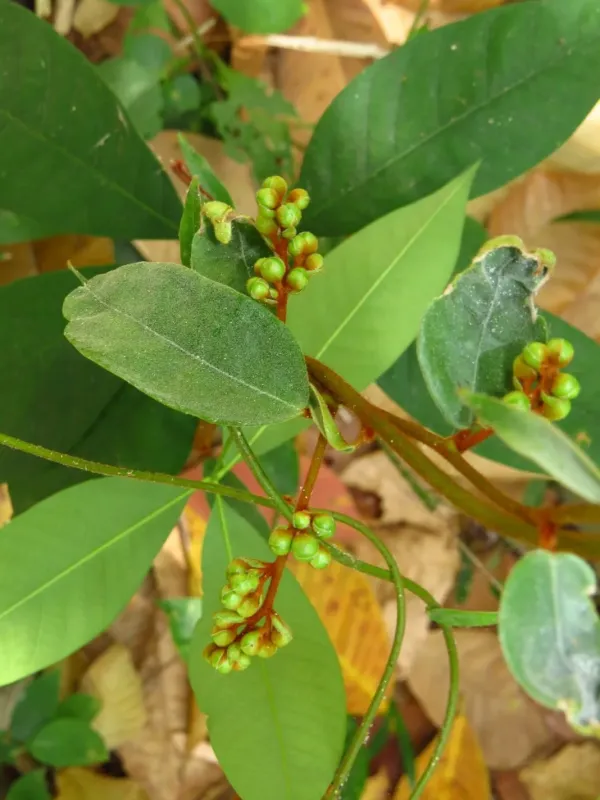
Description
Sowing dates
Propagation of Erycibe tomentosa is primarily achieved through seeds, which require immediate sowing after collection due to their short viability period.
The seeds should be planted in a well-drained, nutrient-rich substrate, maintaining a warm environment between +22 and +28 degrees Celsius.
To improve germination rates, light scarification of the seed coat is recommended to facilitate the absorption of moisture by the embryo.
Seeds are placed at a shallow depth of approximately 1–2 centimeters, ensuring they are covered just enough to maintain constant humidity.
The ideal time for sowing coincides with the onset of the wet season, which provides the necessary humidity for the rapid development of young sprouts.
Growing requirements
Erycibe tomentosa is a member of the Convolvulaceae family and functions as a woody climber, native to the tropical forests of Southeast Asia.
This species thrives in high-humidity environments and requires partial shade, particularly during the early stages of its development.
The soil should be fertile and light, with an acidic to neutral pH balance, which supports robust root growth and overall health of the vine.
Providing vertical supports is essential for cultivation, as the plant possesses natural climbing characteristics and needs a structure for its stems to attach.
Efficient drainage is critical, as the plant is highly sensitive to waterlogged conditions, which can lead to root system degradation.
Yield
The main purpose of cultivating Erycibe tomentosa is the harvesting of medicinal raw materials, including its bark and leaves.
Yield capacity significantly depends on the age of the plant, as older vines accumulate higher concentrations of bioactive compounds.
Harvesting is performed selectively to ensure the plant can regenerate effectively and to maintain the sustainability of the cultivation area.
Plantation yield can be optimized through regular pruning, which promotes denser branching and an increase in total leaf surface area.
Consistent management of the plantation ensures a steady supply of high-quality raw materials over an extended production period.
Main diseases and pests
Although generally hardy in its native habitat, Erycibe tomentosa can be prone to fungal infections when grown in dense, poorly ventilated conditions.
Root rot is the most common threat, usually triggered by stagnant water and a lack of proper aeration in the root zone.
Pests such as mealybugs and aphids may infest young foliage, which can impair plant development and reduce the quality of the harvested biomass.
Preventive strategies involve the use of biological control agents and maintaining optimal spacing between individual plants to prevent disease spread.
Regular monitoring and the removal of infected plant parts are necessary practices to minimize the impact of any potential outbreaks.
Harvesting
Bark harvesting is conducted manually using techniques that minimize long-term stress to the vine, allowing for continuous cultivation cycles.
Leaves are typically harvested at the end of the growth season, when the secondary metabolites have reached their maximum concentration.
Post-harvest processing involves rapid drying in shaded, well-ventilated areas to prevent fungal growth and retain the integrity of active ingredients.
Dried raw materials must be stored in airtight containers within a cool, dry environment to protect them from moisture and pests.
Final quality control involves assessing the purity and chemical content of the product before it is prepared for further use in medical applications.