
Erycibe henryi
Erycibe henryi
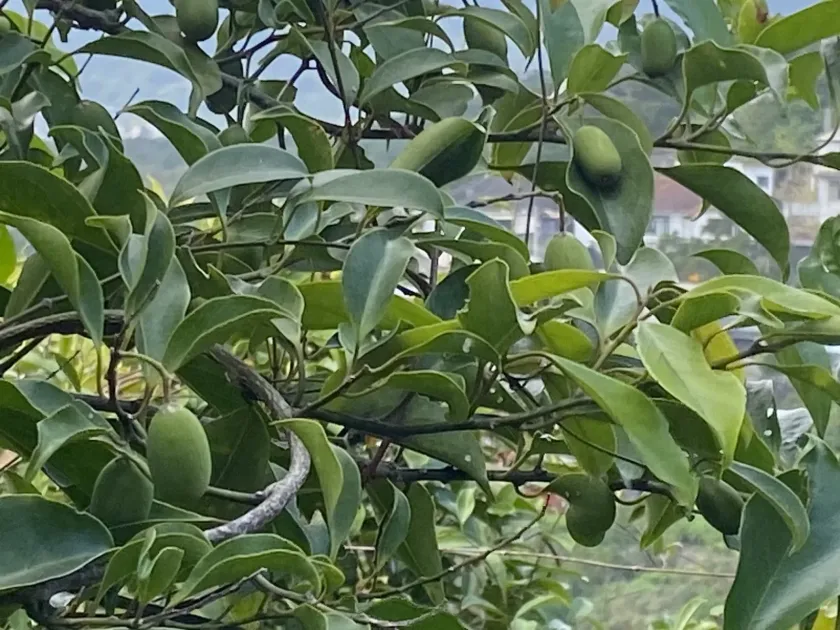
Description
Sowing dates
Erycibe henryi is a woody liana belonging to the Convolvulaceae family. Unlike many herbaceous relatives in this family, it develops strong, lignified stems that allow it to climb and dominate the canopy layers in its natural habitat.
Propagation is primarily achieved through seeds. The seeds require a period of warmth and consistent moisture to break dormancy. Sowing should take place in well-drained seedling trays with high-quality organic potting mix.
Seedlings develop relatively slowly during the first few months. It is essential to maintain a stable environment with diffuse light to prevent etiolation. Once the plants develop at least four true leaves, they are ready for transplanting.
Young plants require consistent vertical support almost immediately after establishment. Using bamboo stakes or trellis systems helps the vine find its natural orientation and promotes healthier physiological development.
In warmer climates, direct sowing in late spring is possible provided the soil has warmed up sufficiently. Ensure that the planting site is protected from strong, dry winds which can damage young, tender foliage.
Growing requirements
The plant thrives in fertile, well-draining loamy soils. It prefers an environment that mimics the forest floor of its native habitat, which is rich in organic matter and maintains a stable level of moisture.
Erycibe henryi demands high light intensity to support its vigorous climbing growth. While it may tolerate partial shade during early developmental stages, maturity requires full sun exposure for optimal flowering and fruit production.
Water requirements are substantial during the growing season. However, the root system is sensitive to waterlogging. Implementing a drip irrigation system is highly recommended to provide consistent soil moisture without saturating the root zone.
Temperature management is key to maintaining the plant's health. It does not possess frost tolerance, so cultivation in temperate regions requires greenhouse protection or indoor containers throughout the colder months.
Regular pruning is necessary to manage the aggressive climbing habit of the species. Removing dead or crossing branches improves air circulation and reduces the likelihood of foliage-related fungal infections.
Main diseases and pests
Common pests include spider mites and mealybugs, which thrive in protected or warm environments. Monitoring and integrated pest management practices are essential to prevent heavy infestations that can weaken the plant.
Fungal pathogens such as mildew and leaf spot are potential risks, especially in high-humidity conditions. Maintaining optimal spacing and pruning to enhance airflow are effective preventative strategies against these issues.
Root rot caused by poor soil drainage can be lethal to the vine. Always check the moisture levels of the deep soil layers before supplemental watering to avoid creating anaerobic conditions in the root zone.
Nutrient deficiencies, particularly of iron or magnesium, may manifest as chlorosis on older leaves. Regular soil testing and balanced fertilization can address these issues before they significantly impact plant vigor.
- Regular inspection of the leaf underside for early pest detection.
- Application of organic fungicides if fungal pressure increases.
- Sanitation practices involving the removal of fallen leaves and debris.
Harvesting
Harvesting of Erycibe henryi typically relates to its fruits or specific vegetative parts utilized for botanical research or traditional applications. The timing of the harvest is critical and depends on the specific end-use of the plant material.
Fruits should be collected when they reach physiological maturity, indicated by a change in color and texture. Manual harvesting using sharp shears is advised to prevent physical damage to the vine's main stems.
Post-harvest handling requires quick cooling to maintain the integrity of the plant tissues. If the material is intended for medicinal or extraction purposes, drying should occur in a well-ventilated, shaded area to preserve active compounds.
For sustainable production, avoid over-harvesting from a single individual in one season. Leave a significant portion of the biomass to ensure the plant retains enough energy reserves to survive the winter and produce new growth next year.
Proper record-keeping during the harvest process is essential for evaluating yields over multiple seasons and optimizing the agrotechnical approach for future plantings.