
Erycibe leucoxyloides
Erycibe leucoxyloides
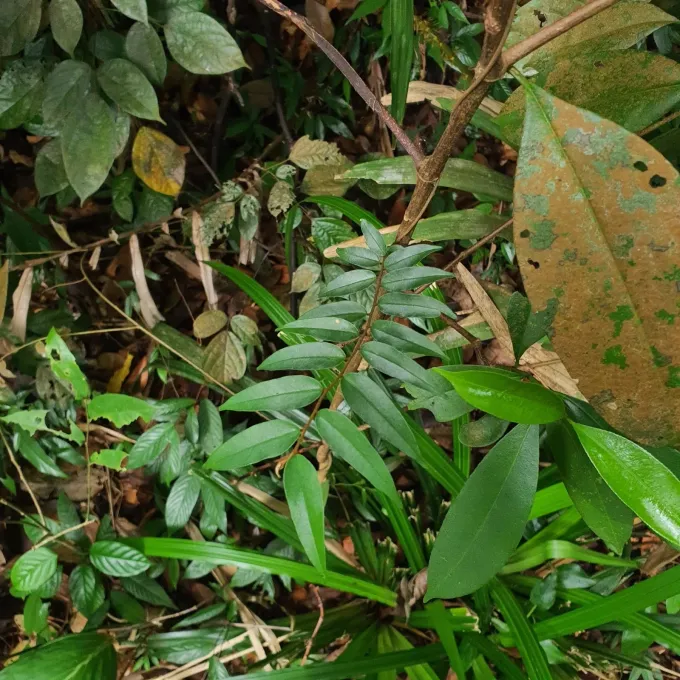
Description
Sowing dates
Erycibe leucoxyloides is a perennial woody vine belonging to the Convolvulaceae family. Unlike common herbaceous morning glories, this species develops robust, lignified stems, allowing it to climb effectively within tropical forest ecosystems.
Propagation is typically carried out through stem cuttings taken from semi-hardwood segments. This method ensures faster establishment compared to seed propagation, which requires specific, stable environmental conditions to trigger germination.
When planting, it is essential to use a porous, well-draining substrate rich in organic matter. Cuttings should be placed in a controlled environment with high humidity to facilitate root development without stressing the foliage.
The initial growing phase requires careful attention to light levels. Young plants are sensitive to direct, high-intensity sunlight and thrive best in shaded nursery conditions until they are fully established and ready for transplanting.
Sowing in a commercial or experimental context involves setting up vertical support structures early. As a climber, Erycibe leucoxyloides requires space to extend its vines to ensure optimal leaf exposure and healthy biomass accumulation.
Growing requirements
This species is strictly adapted to tropical and subtropical climates, requiring consistently warm temperatures. Exposure to temperatures below 18 degrees Celsius can severely stunt growth and cause physiological damage.
Soil requirements include a high level of fertility and excellent drainage. The plant prefers slightly acidic to neutral soil pH, which supports efficient nutrient uptake and prevents the accumulation of toxic salts.
Light management is crucial for the photosynthesis of this species. While it is adapted to forest understory conditions, it requires bright, filtered light to reach its full potential and produce vigorous annual growth.
Adequate water supply is necessary, specifically during the active growing season. However, moisture management must be precise; waterlogged conditions are extremely detrimental and often lead to root necrosis.
Regular maintenance of the trellising system is vital. Because of its vigorous growth habit, the plant needs periodic adjustment and training to prevent overcrowding, which can hinder airflow and increase the risk of disease.
Main diseases and pests
Common agricultural pests for Erycibe leucoxyloides include spider mites and whiteflies, which thrive in warm, humid conditions. These pests feed on the sap, causing leaf chlorosis and potentially weakening the entire plant.
Fungal pathogens such as powdery mildew and root rot represent the primary disease threats. These are often triggered by stagnant air and excessive soil moisture, emphasizing the need for proper plantation layout.
Nematode infestations can occur in poorly managed or recycled substrates, leading to stunted growth. Implementing strict sanitation protocols, such as soil sterilization or utilizing inert growing media, helps mitigate these risks.
Integrated Pest Management (IPM) strategies are recommended to maintain plant health. Regular scouting for early signs of infection or infestation allows for prompt intervention, reducing the need for heavy chemical applications.
Sanitation practices, including the removal of dead or decaying foliage and weeds from the base of the plant, are essential to break the life cycles of pathogens and prevent the spread of soil-borne diseases.