
Eriocaulon quinquangulare
Eriocaulon quinquangulare
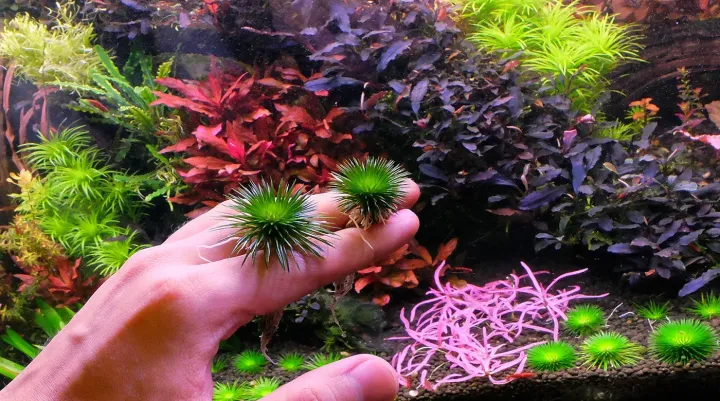
Description
Growing requirements
Eriocaulon quinquangulare is a species within the Eriocaulaceae family, native to tropical regions of Asia. It thrives in humid environments, typically found in areas with high water tables, such as wetlands, river banks, and paddy fields.
This plant is characterized by a compact rosette of leaves and a robust root system adapted to anaerobic or semi-anaerobic conditions. The unique flower heads are mounted on pentagonal stalks, which gives the species its specific scientific name.
Environmental requirements for this crop include a consistently moist, nutrient-rich substrate. It is highly sensitive to desiccation, and even short periods of water stress can result in stunted development or the mortality of the specimen.
In terms of light, the species prefers bright but indirect light conditions. High-intensity direct sunlight can cause stress, while insufficient light hinders the development of the distinct rosette structure and overall vigor of the plant.
The optimal soil profile for Eriocaulon quinquangulare is slightly acidic. The presence of organic silt is ideal for supporting its shallow, fibrous roots, providing necessary minerals while maintaining sufficient water retention capacity.
Harvesting
The economic utility of this species is largely niche. It is not grown as a broad-scale agricultural commodity, though it holds value in traditional medical practices and specialized decorative aquatic gardening.
Harvesting methods are manual and limited to sustainable quantities to prevent depletion of wild populations. When harvested for medicinal use, the aerial parts are carefully selected and dried away from direct sunlight to preserve potency.
For ornamental purposes, the plants are collected with a surrounding substrate plug. This ensures that the delicate root system remains intact, facilitating a faster acclimation period in the new growing environment.
Processing involves cleaning the foliage of debris and inspecting for potential pests. Proper hygiene during post-harvest handling is critical to ensure that no harmful pathogens are transferred to new cultivation sites.
Future potential for the crop lies in its role as a bio-indicator or a natural filtration agent in integrated aquaculture systems. Its ability to thrive in specific water chemistries makes it an excellent candidate for controlled wetland restoration projects.