
Eriocaulon heterolepis
Eriocaulon heterolepis
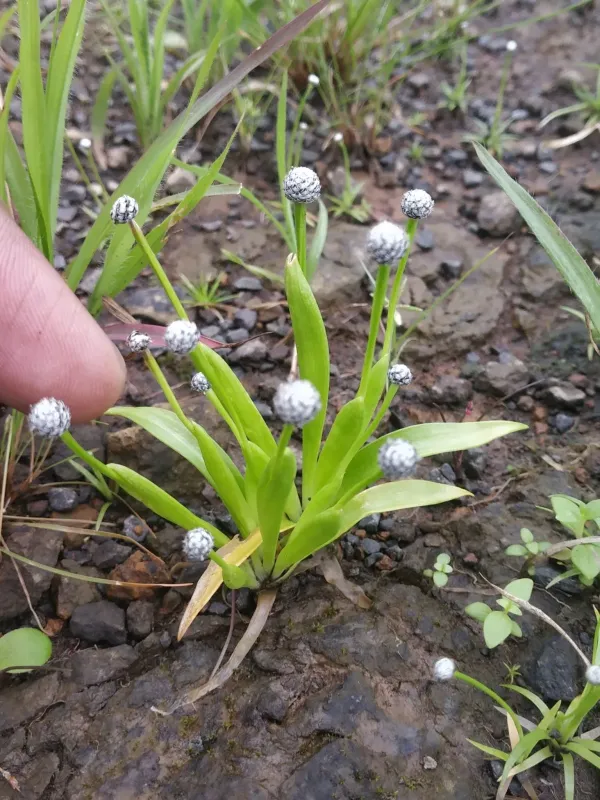
Description
Growing requirements
Eriocaulon heterolepis is a specialized aquatic plant species belonging to the Eriocaulaceae family. It is native to tropical wetlands of Southeast Asia, where it thrives in soft, acidic waters, forming dense clusters in sandy substrates.
Botanically, this plant is characterized by a compact rosette of rigid, needle-like leaves. It is highly valued in aquascaping for its distinct structural form and the ability to produce elegant flower stalks under optimal environmental conditions.
The cultivation of this species requires a high-tech setup, including pressurized CO2 injection. Without adequate carbon supplementation, the plant fails to maintain its characteristic growth rate and density.
Environmental conditions must be strictly controlled, emphasizing very low general hardness (GH) and carbonate hardness (KH). Using reverse osmosis water reconstituted with specific minerals is essential for the long-term health of these plants.
A high-quality, nutrient-rich aquarium soil is necessary to support the root system. Proper substrate aeration is key to preventing root rot and ensuring that the plant can uptake minerals effectively through its complex root architecture.
Main diseases and pests
The primary threat to the stability of an Eriocaulon heterolepis population is the outbreak of algae. Given the slow growth speed of this plant, algae can easily colonize its leaves, leading to severe shading and nutrient competition.
Micronutrient deficiencies are common, especially regarding iron and manganese. Such issues usually manifest as interveinal chlorosis, which requires precise adjustments to the liquid fertilizer dosing regimen.
Thermal stress is another critical risk factor. Temperatures exceeding 27°C (80°F) often trigger metabolic failure, resulting in the softening of the plant tissues and eventual disintegration of the rosette structure.
Improper substrate management can lead to the formation of anaerobic pockets. These zones accumulate toxic hydrogen sulfide, which causes root necrosis and can rapidly lead to the death of the entire plant specimen.
While few biological pests directly consume these plants, physical damage by fish or invertebrates can create entry points for opportunistic bacterial infections, which may lead to the rapid decay of the plant center.