
Eremopoa persica
Eremopoa persica
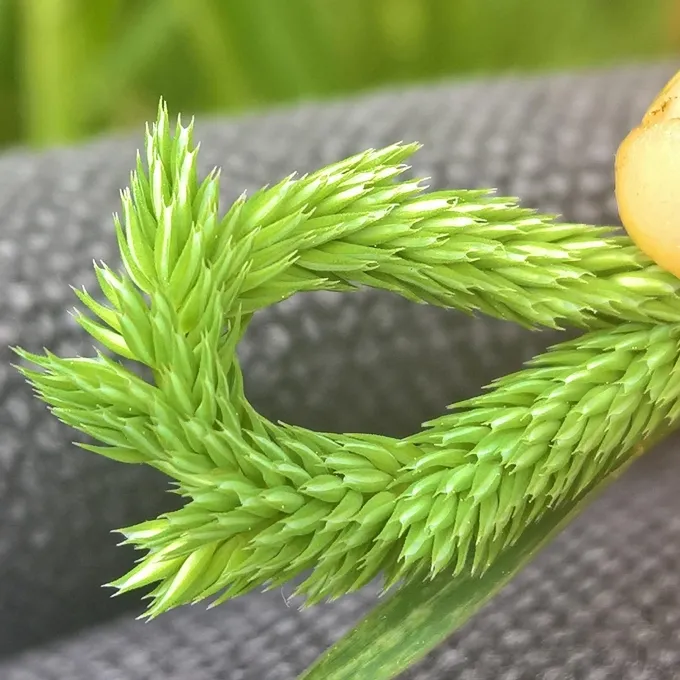
Description
Sowing dates
Eremopoa persica is an ephemeral plant whose biological cycle is strictly tied to the spring period of moisture availability. Optimal sowing or natural reseeding periods occur in late winter or early spring, as soon as the soil is saturated with moisture from melting snow.
The seeds of this species demonstrate high germination rates at moderate temperatures, allowing the plant to form biomass before the onset of severe summer heat. In steppe and semi-arid zones, minimal tillage methods are recommended to preserve the integrity of the soil crust.
When used in pasture improvement seed mixtures, the timing must be coordinated with the tillering phase of other grass components. Ensuring proper soil-seed contact is essential due to the small size of the seeds, which requires shallow planting depths of no more than 1–2 centimeters.
Early development gives this species an advantage, allowing it to escape competition from late-season weeds that begin their growth cycle later in the year. This makes the plant suitable for rapid overseeding of degraded grassland areas.
Seeding rates depend on the intended use: achieving a uniform stand requires an application density that balances initial establishment with final pasture productivity during the grazing season.
Growing requirements
This species belongs to the family Poaceae and is a typical inhabitant of arid ecosystems. The crop shows exceptional tolerance to extreme heat and prolonged dry periods, defining its distribution across the Middle East and Central Asia.
It has moderate soil requirements, thriving in sandy loam, sandy, or stony soils with good drainage. Furthermore, it exhibits tolerance to soil salinity, which expands its utility in challenging, saline-affected agricultural lands.
The key driver for successful growth is moisture during the spring months. After the seed-set phase, the aerial parts of the plant undergo senescence and enter dormancy, a survival strategy adapted to the harsh, rainless summers of its native habitat.
Temperature fluctuations are not a limiting factor, as the species is highly adapted to extreme diurnal and seasonal variances. It reliably survives the late spring frosts that are common in its natural growing range.
The plant is light-demanding and does not tolerate shading from trees or tall weeds; therefore, agricultural management must ensure adequate exposure to sunlight for healthy stand development.
Yield
The yield of Eremopoa persica is highly dependent on spring precipitation levels. In favorable years, the crop forms a dense stand that provides a significant volume of early green fodder suitable for livestock grazing.
Although individual plants remain small, their high population density per square meter allows for satisfactory biomass production. The nutritional value is highest in the early growth stages before the plant enters its flowering phase.
Once the seeds mature, the vegetation becomes fibrous and loses its appeal to livestock. Consequently, grazing plans should be completed before the plants reach the dough stage of seed development.
Seed production is notoriously difficult to scale due to rapid shedding once mature, which complicates commercial harvesting. However, its role as a pasture component remains vital for early-season productivity.
Incorporating this species into perennial pasture mixtures helps stabilize forage availability in the early spring, a period when many other forage grasses are still dormant and provide little nutritional value.
Main diseases and pests
Eremopoa persica is notable for its high resistance to common cereal diseases, largely due to its abbreviated growth cycle. Its ephemeral lifestyle allows it to complete development before fungal pathogens can reach damaging levels.
While insects may occasionally target young seedlings, the plant's rapid growth rate usually allows it to outpace potential damage. Large-scale outbreaks of pests in natural populations are rarely documented.
The primary threat to established stands is overgrazing by livestock, which causes physical damage to the turf and induces soil compaction. This significantly diminishes the plant's ability to regenerate in subsequent years.
Competition from invasive species and aggressive weeds can reduce population density. Ongoing monitoring and pasture management are required to ensure the plant maintains its foothold in the landscape.
In dry years, rodent populations can pose a threat by consuming both the vegetative matter and seeds, necessitating integrated pest management strategies on rangeland areas where this species is favored.