
Eranthemum wattii
Eranthemum wattii
Description
Growing requirements
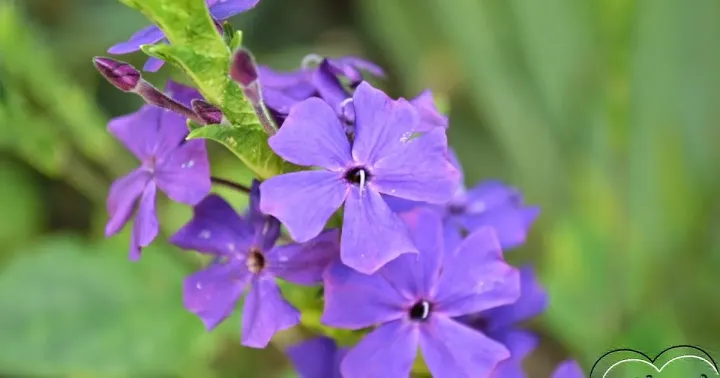
Eranthemum wattii is an ornamental evergreen subshrub belonging to the Acanthaceae family. This species is highly valued for its striking, intense blue-violet flowers and lush foliage, making it a desirable specimen for indoor botanical collections and conservatories.
Originating from the tropical regions of India and Myanmar, this plant naturally thrives in the understory of tropical forests. It prefers dappled light conditions and is highly sensitive to intense direct sunlight, which can cause leaf scorch and dehydration of the plant tissue.
The soil requirements involve a well-draining, nutrient-rich substrate with an acidic to neutral pH level. A mix of peat moss, perlite, and organic compost is generally recommended to ensure proper aeration and moisture retention, which are critical for the root system's health.
Climate control is essential for successful cultivation, with an optimal temperature range of +22°C to +26°C during the growing season. Maintaining high relative humidity, preferably above 60%, is crucial, as the plant originates from humid forest environments and struggles in arid conditions.
Agronomic management includes regular irrigation with temperate, filtered water. It is important to keep the growing medium consistently moist but not waterlogged, as excessive standing water significantly increases the risk of root rot and bacterial infections within the substrate.
Main diseases and pests
Eranthemum wattii is susceptible to several common pests found in indoor gardening environments, such as spider mites, mealybugs, and scale insects. These pests often proliferate when the ambient humidity is too low or when the plant is stressed by poor ventilation.
Disease management focuses primarily on preventing fungal issues caused by overwatering or poor air circulation. Regular inspection and the application of mild horticultural oils or specialized insecticides are effective strategies to mitigate infestations before they spread to other plants.