
Blue sage
Eranthemum pulchellum
Description
Growing requirements
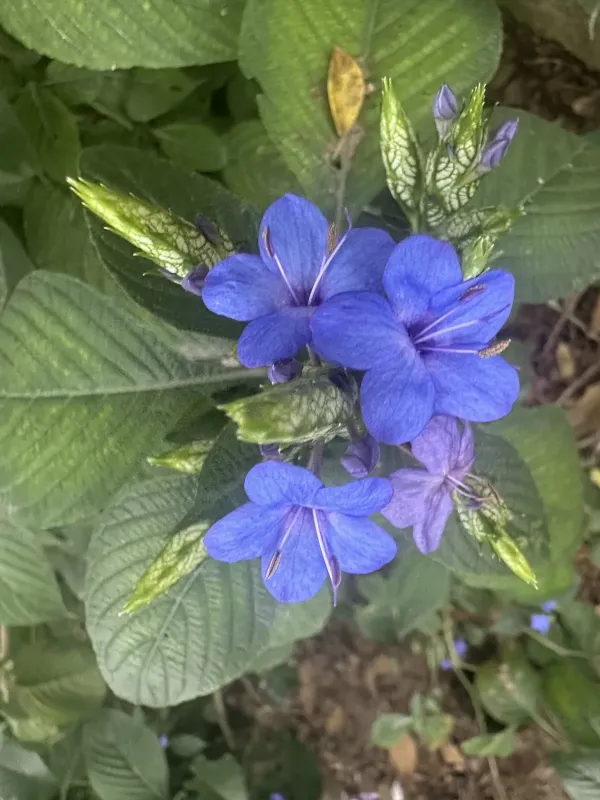
Eranthemum pulchellum, commonly known as Blue sage, is a distinctive shrub belonging to the Acanthaceae family. Native to tropical regions of India and the Himalayas, it is a prized ornamental plant characterized by its striking deep blue flowers and textured foliage.
As a tropical species, it thrives in warm, humid climates. In terms of temperature, it requires a stable range between 20°C and 25°C. Exposure to cold drafts or temperatures falling below 15°C can cause significant physiological stress and leaf drop in this plant.
The cultural requirements demand fertile, well-draining soil with a slightly acidic to neutral pH. A substrate composed of peat moss, perlite, and organic compost is ideal for maintaining the moisture levels necessary for its rapid growth during the spring and summer seasons.
Light management is crucial for the successful cultivation of Blue sage. It requires bright, indirect light; harsh midday sun can easily scorch the leaves. Placing the plant in a position with filtered morning sunlight is optimal for promoting vibrant blooming.
Regular irrigation is essential, as the plant does not possess a mechanism to tolerate prolonged drought. However, soil should be kept moist but never waterlogged. Providing a high-humidity environment through misting is beneficial for overall plant vigor.
Main diseases and pests
Spider mites are the most common pests encountered when growing Eranthemum pulchellum indoors, especially in environments with insufficient air circulation. These pests thrive in dry conditions and can lead to rapid leaf yellowing if left untreated.
Mealybugs and aphids may also infest the plant, usually clustering in the axils of the leaves or on the undersides of the foliage. Manual removal using cotton swabs dipped in alcohol, followed by the application of insecticidal soap, is an effective management strategy.
Root rot, caused by overwatering or poor drainage, represents the most significant pathological threat to the crop. To prevent this, ensure that containers have adequate drainage holes and allow the top layer of the soil to dry slightly between waterings.
Fungal leaf spot can occur if the foliage is kept wet for extended periods in cooler environments. It is recommended to water the soil directly rather than the leaves to keep the canopy dry and prevent the spread of fungal pathogens.
Regular monitoring and physical sanitation of the growing area are key to preventing large-scale outbreaks. Early detection allows for more efficient control using biological or organic pesticides, minimizing chemical exposure and preserving plant health.