
Eragrostis niwahokori
Eragrostis niwahokori
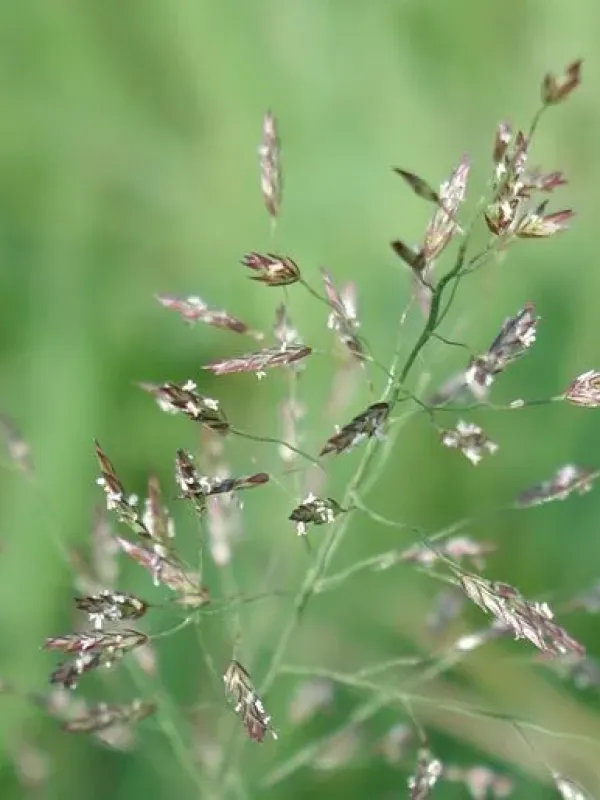
Description
Sowing dates
Sowing Eragrostis niwahokori is best performed once the soil has warmed up, ideally in late spring when the danger of frost has passed. Timing is crucial to ensure a strong start for the seedlings.
Seeds should be planted at a shallow depth of no more than two centimeters. Proper soil contact is essential for germination, which is why rolling the field immediately after sowing is highly recommended.
Seedlings are sensitive to moisture stress, so maintaining adequate soil moisture in the early stages is vital. Light irrigation can be used to prevent the surface from crusting or drying out.
Seeding rates should be adjusted based on soil quality and the intended end-use of the crop. Uniform distribution during planting helps reduce competition between individual plants as they mature.
Avoiding sowing during windy conditions ensures better depth control and seed placement, which contributes to a more uniform and vigorous crop emergence.
Growing requirements
Eragrostis niwahokori belongs to the Poaceae family and thrives in areas with good sunlight exposure. Adequate solar radiation is essential for robust growth and optimal biomass accumulation.
This crop prefers light, well-draining soils such as sandy loams. It does not tolerate waterlogging, so fields with poor drainage must be avoided or treated with irrigation management systems.
While showing moderate drought resistance, the crop requires consistent moisture during peak growth phases to reach its full potential. Chronic water stress will significantly decrease yield.
A soil pH between 5.5 and 7.0 is considered optimal for the development of the plant. Liming may be necessary on overly acidic soils to ensure the root system can effectively take up nutrients.
The plant performs best in moderate temperatures. Extreme heat or sudden drops in temperature can cause stress, highlighting the importance of choosing a site that offers stable conditions.
Yield
Yield performance is heavily influenced by balanced fertilization, particularly nitrogen application, which drives biomass growth. Providing nutrients at the right time ensures high-quality forage.
Proper plant density management allows the crop to tiller effectively, resulting in a dense and productive stand. When managed correctly, the crop provides a substantial harvest throughout the season.
Under favorable conditions, two cuts per growing season are achievable. The key to quality is timing the harvest just as the plants begin to transition into the flowering stage.
Seed yield depends on successful pollination and managing pests during the development of reproductive parts. Proper post-harvest handling of seeds is essential for maintaining viability.
Productivity varies with environmental factors, making it necessary to monitor the stand's health annually and adjust management practices to sustain long-term soil fertility.
Main diseases and pests
Fungal diseases such as rust can become a concern in high-humidity environments. Maintaining good airflow through the crop canopy is the best preventative strategy for managing these issues.
Pests like aphids and certain bugs can damage young plants early in the season. Regular field monitoring is necessary to decide when and if intervention with appropriate pesticides is required.
Root rots are often associated with poor drainage or over-watering. Rotating crops and ensuring the field does not hold excess water are effective ways to minimize these risks.
Competition from weeds is significant during the early weeks of the plant's life. Mechanical weeding or selective herbicide use helps ensure the crop gets the nutrients it needs to establish.
Adhering to strict phytosanitary practices and using high-quality, certified seeds helps keep disease pressure low and ensures a healthier stand throughout the growing period.
Harvesting
Harvesting for forage should ideally occur at the elongation phase or when the first panicles emerge. This stage ensures the best balance of protein and structural carbohydrates for livestock feed.
Mowing should be done with equipment that conditions the stems, which speeds up the drying process. Proper tedding of the windrows prevents the forage from spoiling due to trapped moisture.
When harvesting for seed, combine settings should be adjusted to minimize mechanical damage and loss from shattering. Seeds should be cleaned and stored in low-humidity environments.
Post-harvest cleaning of the field helps remove debris and reduces the habitat for potential pathogens. This preparation is key to ensuring the field remains productive for future cycles.
Storage facilities should be cool, dry, and well-ventilated to maintain the quality of the harvested product over extended periods until it is used or sold.