
Epilobium pyrricholophum
Epilobium pyrricholophum
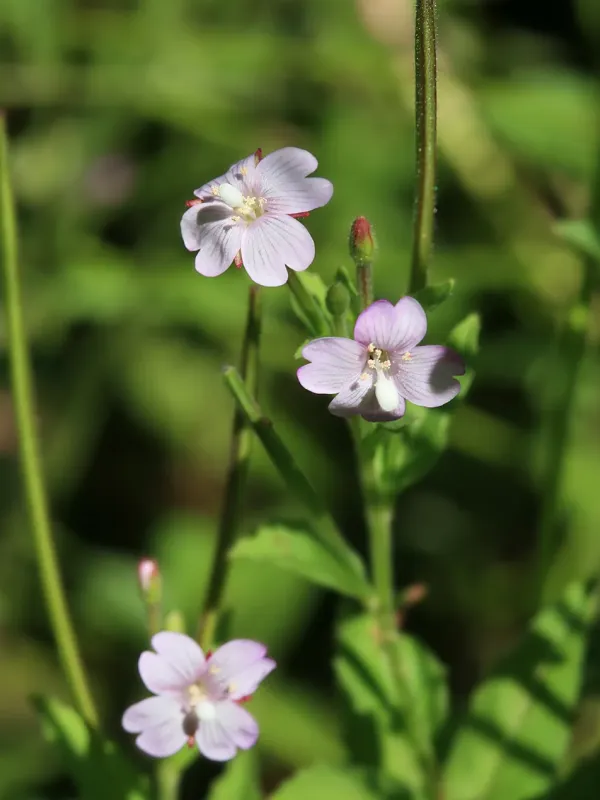
Description
Sowing dates
Epilobium pyrricholophum is a herbaceous perennial plant belonging to the Onagraceae family. In the wild, seeds mature by the end of summer, and natural dispersal occurs in autumn when the seed pods burst, releasing seeds equipped with fluffy tufts.
For cultivated production, sowing seeds in the soil is recommended during the late autumn period to allow for natural stratification. Spring sowing requires pre-chilling the seeds for 30 to 45 days to enhance germination rates significantly.
The planting depth should be kept minimal, no more than 0.5 centimeters, as the seeds are light-sensitive and require sufficient contact with moist soil to initiate the germination process effectively.
The optimal layout for industrial cultivation involves maintaining row spacing between 45 and 60 centimeters. This ensures adequate airflow and space for root system development, which simplifies ongoing plantation maintenance.
Given the biological characteristics of the species, vegetative propagation using rhizome cuttings is often the most efficient method, as they establish rapidly in loose, well-moistened soil conditions.
Growing requirements
Epilobium pyrricholophum prefers moderately moist, well-aerated soils with a neutral or slightly acidic pH balance. The plant is highly sensitive to waterlogging, making areas with high groundwater tables unsuitable for cultivation.
The crop is photophilous but capable of tolerating temporary shading. To ensure maximum vegetative growth, an open sunny location with protection from strong cold winds is required for optimal results.
Climatic requirements include moderate temperatures throughout the growing season. The plant exhibits high frost resistance, allowing it to survive harsh winters in regions with temperate climates quite successfully.
Soil fertility demands are moderate, although plants grown in soil rich in organic matter show more intensive growth and more abundant flowering. Moderate nitrogen fertilization during the peak growth phase is recommended.
Consistent soil moisture must be maintained throughout the growing season, particularly during the budding and flowering stages, to ensure the health and vitality of the plantation.
Yield
The yield of green biomass for this species depends directly on the quality of maintenance, plant density per unit area, and the specific weather conditions of the growing season.
Under controlled agricultural conditions with regular irrigation and top-dressing, stable biomass yields can be achieved for use in the pharmaceutical and food processing industries.
Productivity typically begins to decline after the fourth or fifth year of life, which necessitates rejuvenating the plantations or transplanting rhizomes to a fresh plot to maintain product quality.
Raw material harvesting is recommended during the full flowering phase, as this is when the concentration of biologically active compounds in the aerial parts of the plant reaches its peak.
Regular weeding and soil cultivation between rows are applied to increase the output of marketable products, as these actions improve oxygen penetration and reduce competition from invasive weeds.
Main diseases and pests
Epilobium pyrricholophum possesses relatively high natural resistance to diseases, although improper agronomic management can lead to fungal infections such as leaf rust.
In conditions characterized by excessive humidity and stagnant air, there is a risk of developing powdery mildew, which manifests as a white coating on the leaves of the plant.
Common pests affecting the crop include various species of aphids that damage young shoots and buds, draining sap and hindering the overall development of the plants.
Leaf-eating insects, such as specific caterpillar species, can significantly reduce the quality of the harvested material, impacting both aesthetic value and medicinal properties.
To protect plantations, it is recommended to use integrated agronomic methods, including crop rotation, thinning for better ventilation, and the prompt removal of heavily infested plants.
Harvesting
Harvesting of Epilobium pyrricholophum is primarily conducted manually or via mechanized equipment during the peak bloom phase, when the plant is most concentrated with valuable botanical components.
When harvesting the aerial parts, it is essential to leave a portion of the stem and the rootstock intact to ensure regrowth and plantation regeneration in the following season.
The harvested material should be moved to processing or drying facilities immediately to prevent oxidation and the loss of essential oils contained within the plant tissues.
Drying of the raw material is conducted in well-ventilated rooms or specialized dryers at temperatures not exceeding 40-45 degrees Celsius to preserve the medicinal properties.
Once drying is complete, the final product must be stored in paper or cloth bags in a dry, dark place, shielded from direct sunlight to maintain long-term quality.