
Epilobium komarovianum
Epilobium komarovianum
Description
Growing requirements
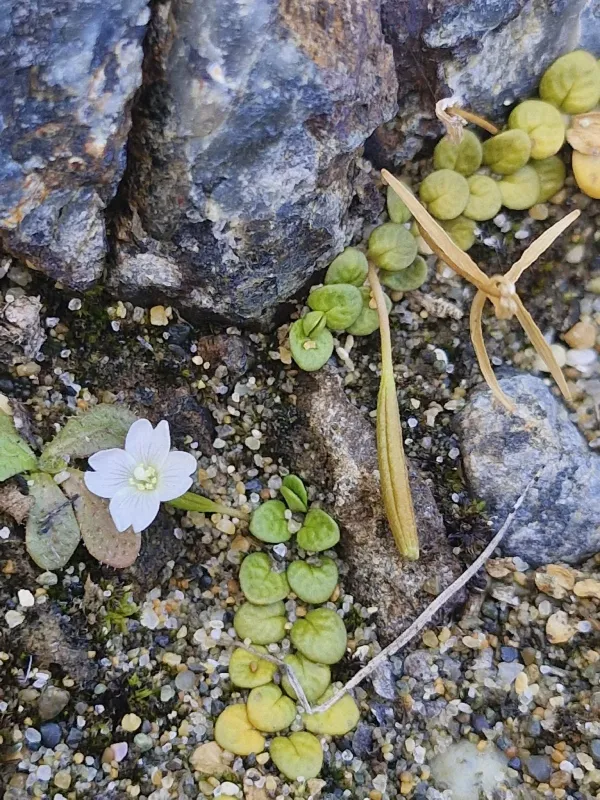
Epilobium komarovianum, commonly known as a type of creeping willowherb, is a low-growing perennial herb belonging to the Onagraceae family. Originating from New Zealand, it thrives in rocky terrain and damp, open environments.
The plant features tiny, mat-forming stems that root at the nodes, creating a dense and resilient groundcover. Its foliage is notably compact and often exhibits bronze or reddish hues, which enhances its aesthetic appeal in varied horticultural settings.
To cultivate Epilobium komarovianum successfully, gardeners must provide well-drained soil that retains consistent moisture. It prefers a temperate climate and typically performs best in partial shade to full sun locations, provided the soil does not dry out completely.
From an agronomic perspective, the species benefits from a neutral to slightly acidic substrate rich in organic matter. Overwatering must be avoided to prevent root rot, as this plant is highly sensitive to waterlogged conditions in its root zone.
The primary horticultural use for this species is as a decorative groundcover. It is ideal for rock gardens, trough plantings, and as a filler between stepping stones, where its mat-forming habit can effectively suppress minor weed growth.
Main diseases and pests
The main threats to this species include fungal infections, specifically root and crown rots caused by excessive humidity or poor soil drainage. These pathogens can rapidly decimate patches of the plant if conditions remain stagnant.
Slugs and snails are the most prevalent pests that target the lush foliage of the willowherb. These mollusks can cause significant damage to the plant's appearance by creating holes in the leaves, especially during wet spring seasons.
Aphids occasionally infest the growing tips, resulting in distorted leaf growth and reduced vigor. Monitoring for early signs of infestation is crucial to maintain the density and uniform appearance of the groundcover patch.
Proper air circulation is essential for health; therefore, gardeners should avoid overly dense plantings that prevent the foliage from drying out after rainfall. Thinning out overgrown areas helps in managing potential disease outbreaks.
Integrated pest management strategies are recommended, utilizing appropriate fungicides or organic slug deterrents. Regular inspection and maintaining garden hygiene help minimize the reliance on chemical treatments.