
Epilobium foucaudianum
Epilobium foucaudianum
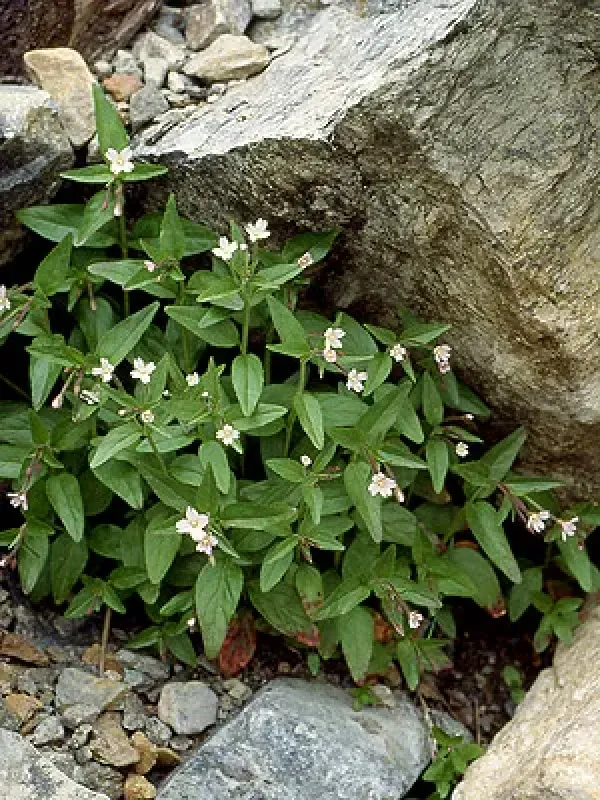
Description
Growing requirements
Epilobium foucaudianum is a perennial herbaceous plant belonging to the Onagraceae family. Historically, it is found in specific high-altitude regions, where it has evolved to thrive in challenging ecological niches characterized by fluctuating temperatures and mineral-rich soils.
The plant exhibits a robust root system that helps it survive in gravelly or rocky substrates. Its biological structure allows for high transpiration efficiency, making it a potentially resilient crop for temperate climates with adequate rainfall or controlled irrigation systems.
Regarding soil requirements, the culture favors well-drained, slightly acidic to neutral loamy soils. It cannot withstand waterlogging, which often leads to root collar rot; therefore, planting on slopes or elevated beds is highly recommended for commercial production.
Climate preferences involve a preference for moderate summer temperatures. Excessive heat stress can inhibit the blooming phase, whereas the plant demonstrates high frost tolerance during its dormancy period in the winter, making it suitable for cultivation in northern agricultural zones.
Agronomic management includes establishing row spacing that allows for mechanical weeding and proper air circulation. Fertilization programs should prioritize organic matter application and balanced NPK ratios to support consistent biomass production throughout the growing season.
Main diseases and pests
Pathogenic fungi are the primary threat to the crop, particularly downy mildew and rust diseases that thrive in stagnant, humid conditions. Preventive measures include ensuring good drainage and avoiding overhead irrigation during periods of high humidity.
Insects like aphids and specialized caterpillars can pose a significant risk to the foliage. Integrated pest management (IPM) strategies, including the use of pheromone traps and beneficial insects, are preferred over synthetic insecticides to maintain the quality of the harvested material.
Root pathogens, such as Rhizoctonia species, can infect the root system if the soil remains waterlogged for prolonged periods. Soil solarization or rotation with non-host crops is advised to manage the inoculum levels in the soil before planting.
Weed competition is a critical factor during the establishment year. As the crop grows, it becomes more competitive, but initial intervention is necessary to prevent invasive grass species from outcompeting the young Epilobium specimens for nutrients and light.
Regular phytosanitary inspection is essential to ensure that any outbreaks of pests or diseases are identified early. By maintaining a clean growing environment and monitoring soil health, growers can significantly reduce the need for corrective chemical treatments.