
Enteropogon dolichostachyus
Enteropogon dolichostachyus
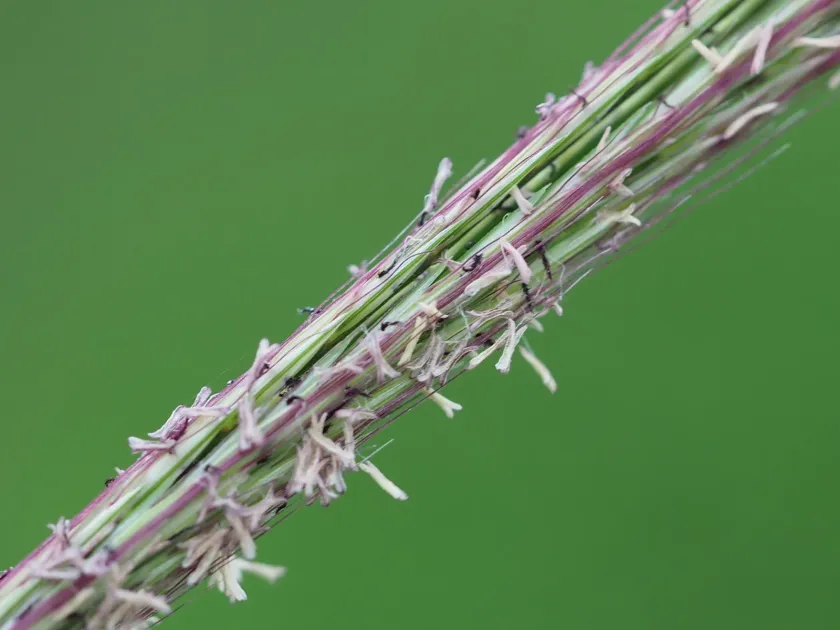
Description
Sowing dates
Enteropogon dolichostachyus is a perennial grass belonging to the Poaceae family. Sowing is best performed at the onset of the rainy season when soil temperatures are conducive to rapid germination and early root development.
For pasture or hay production, row seeding is recommended with an optimal spacing of about 30 cm. Due to the small size of the seeds, shallow planting depth is critical to ensure uniform emergence across the field.
This species is known for its natural reseeding capabilities in favorable environments, making it suitable for overseeding degraded pastures. Sowing dates should be carefully aligned with local rainfall patterns to allow for tillering before the onset of dry spells.
Incorporating this grass into mixtures with legumes is highly recommended to enhance the nutritional value of the forage and improve soil nitrogen levels. This symbiotic approach supports a more sustainable and productive agricultural system.
Post-sowing management involves minimal intervention, though early weed control is essential. Establishing a dense stand early in the season helps suppress invasive weeds and reduces long-term maintenance requirements.
Growing requirements
The crop is well-adapted to tropical and subtropical climates. It thrives in open, sunny locations where it can receive maximum light exposure, which is necessary for vigorous biomass production and healthy development.
It is relatively undemanding regarding soil type, although it performs best in well-drained, fertile loams. It exhibits a good level of drought tolerance, making it an excellent choice for regions with erratic rainfall patterns.
The ideal soil pH range for this species is slightly acidic to neutral. Extreme soil salinity or prolonged waterlogging should be avoided, as these conditions significantly limit the plant's growth potential and vitality.
Strategic fertilization, particularly with phosphorus and nitrogen, can greatly improve biomass yields on poorer soils. These nutrients promote strong root systems and accelerate recovery after grazing or harvesting.
The optimal temperature range for active growth is between 20 and 30 degrees Celsius. While the plant is highly heat-tolerant, its growth slows significantly at lower temperatures, making it less suitable for cold-climate regions.
Yield
The yield potential of Enteropogon dolichostachyus is largely dependent on rainfall distribution and proper grazing management. In ideal conditions, the grass produces significant biomass suitable for hay or livestock grazing.
Rotational grazing systems are crucial to maintain high yields over multiple seasons. This approach prevents overgrazing, allowing the plant sufficient time to recover its carbohydrate reserves and continue producing foliage.
Dry matter yields can be optimized through selective harvesting during the peak vegetative phase. Monitoring growth rates allows farmers to adjust grazing pressure and ensure that the grass is harvested at its peak nutritional quality.
The species is highly palatable to livestock, making it a preferred choice for grazing land. Proper management ensures that productivity remains stable and that the stand remains vigorous over several consecutive years.
Assessing yields through test cuts on specific field sections provides valuable data for planning. This helps in balancing the available feed supply with herd requirements throughout the different seasons.
Main diseases and pests
Enteropogon dolichostachyus exhibits notable resistance to many common cereal diseases. However, in environments with consistently high humidity, there is a risk of fungal infections manifesting as leaf spots.
Key pests include foliage-feeding insects and grasshoppers, which can cause significant damage during population outbreaks. Timely grazing or mowing is often an effective strategy to manage pest populations naturally.
Maintaining high phytosanitary standards is essential to prevent the spread of infections. Avoiding stagnant water in fields is the most effective preventative measure against root rot and other moisture-related pathologies.
Regular field monitoring is necessary to detect early signs of pest or disease pressure. Early intervention through cultural practices is generally preferred over chemical control in forage-based systems.
Crop rotation and intercropping strategies are highly effective in breaking pest cycles. By maintaining a diverse ecosystem, the need for intensive chemical inputs is minimized, supporting a more organic production approach.
Harvesting
Harvesting for hay should ideally occur during the booting stage, just before the full flowering phase. This timing ensures the highest protein content and digestibility for the animals consuming the forage.
Rapid drying of the cut biomass is essential to preserve nutrients. Using mechanical tedders to turn the windrows helps facilitate moisture loss and prevents fungal spoilage caused by slow drying processes.
For pasture use, grazing should commence when the grass reaches a height of approximately 20–25 cm. This ensures that sufficient leaf area is left for rapid regrowth and sustains the long-term health of the pasture stand.
Seed harvesting requires careful timing, as the seeds tend to shatter easily when fully mature. It is performed once the spikes reach a characteristic color, followed by immediate cleaning and drying of the seed stock.
Crop residues left after harvest can serve as protective mulch for the soil surface. This organic matter helps retain moisture and promotes biological activity in the soil, benefiting the growth cycle in subsequent years.