
Enteropogon acicularis
Enteropogon acicularis
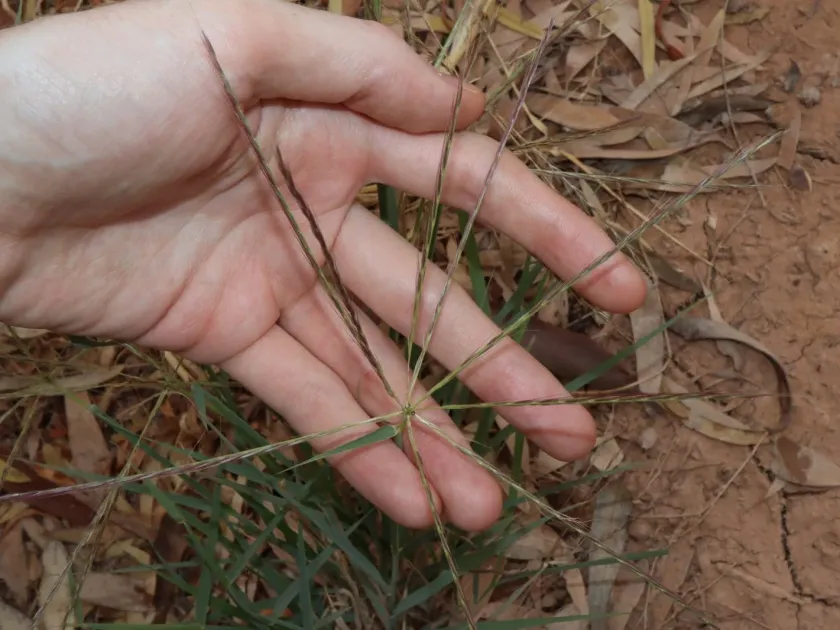
Description
Sowing dates
Enteropogon acicularis is a warm-season grass that requires optimal soil temperatures to ensure successful germination and the establishment of a robust root system.
Sowing should ideally occur in late spring once the threat of frost has passed and soil temperatures consistently stay within the range of 15 to 20 degrees Celsius.
Given the small size of the seeds, they should be sown at a shallow depth of approximately 1 to 2 centimeters to provide sufficient coverage while allowing for emergence.
Uniform soil contact is essential for germination, which can be achieved through light rolling of the seedbed immediately following the distribution of seeds.
Strategic timing based on local rainfall patterns is recommended to take advantage of available soil moisture, which significantly enhances seedling survival rates.
Growing requirements
This perennial member of the Poaceae family is highly adapted to arid and semi-arid environments, exhibiting remarkable resilience to heat and water scarcity.
It thrives in a variety of well-drained soil types, including sandy and loamy soils, and shows a notable tolerance to saline conditions that would inhibit other crops.
The plant requires high levels of solar radiation to maintain its growth rate and is generally intolerant of heavy shade, preferring open areas or managed pastures.
Its deep and fibrous root architecture allows the plant to access moisture from deeper soil layers, contributing to its status as a drought-tolerant forage species.
While tolerant to low soil fertility, the plant benefits from balanced nutrient availability, which supports higher biomass production in improved pasture conditions.
Yield
The yield potential of Enteropogon acicularis is primarily characterized by its ability to produce consistent green biomass suitable for livestock grazing.
Pasture management practices, such as rotational grazing, are essential to maximize yield and ensure the plant has adequate recovery time between grazing events.
Under favorable rainfall or irrigation, the species demonstrates a strong regrowth capacity, making it a reliable source of forage during the peak growing season.
Nutritional value peaks during the vegetative stage, emphasizing the importance of timing harvest or grazing cycles to capture the plant at its most palatable stage.
Long-term yield stability depends on maintaining stand density and preventing overgrazing, which can deplete the plant's carbohydrate reserves and reduce vigor.
Main diseases and pests
Like many wild grass species brought into agricultural cultivation, Enteropogon acicularis can be susceptible to fungal pathogens such as rusts during humid spells.
Root rot may occur in poorly drained areas or waterlogged soils, which can weaken the plant stand and make it more vulnerable to secondary pest infestations.
Insects that target the seed heads during the reproductive stage can pose a significant threat to seed production, necessitating vigilant monitoring during the season.
Preventative cultural practices, including appropriate stand management and avoiding over-application of nitrogen, help maintain the overall health of the crop.
In cases of heavy pest pressure, integrated pest management strategies are recommended to mitigate damage while preserving the environmental integrity of the pasture.
Harvesting
Harvesting for forage should be timed to coincide with the period of peak nutrient quality, ensuring that the livestock receive high-protein feed for optimal health.
Seed harvesting requires careful attention as the spikelets tend to shed readily upon maturity, making timely collection critical to preventing significant yield loss.
When harvesting seeds, specialized equipment with adjustable settings is used to gently thresh the crop, preserving the viability of the fine seeds harvested.
Post-harvest handling involves immediate drying and cleaning of the seed lot to ensure long-term storage stability and high germination potential for subsequent years.
Sustainable harvesting techniques, including leaving a portion of the stubble, are vital to encourage vegetative regrowth and maintain the perennial nature of the stand.