
Entandrophragma utile
Entandrophragma utile (Dawe & Sprague) Sprague
Description
Growing requirements
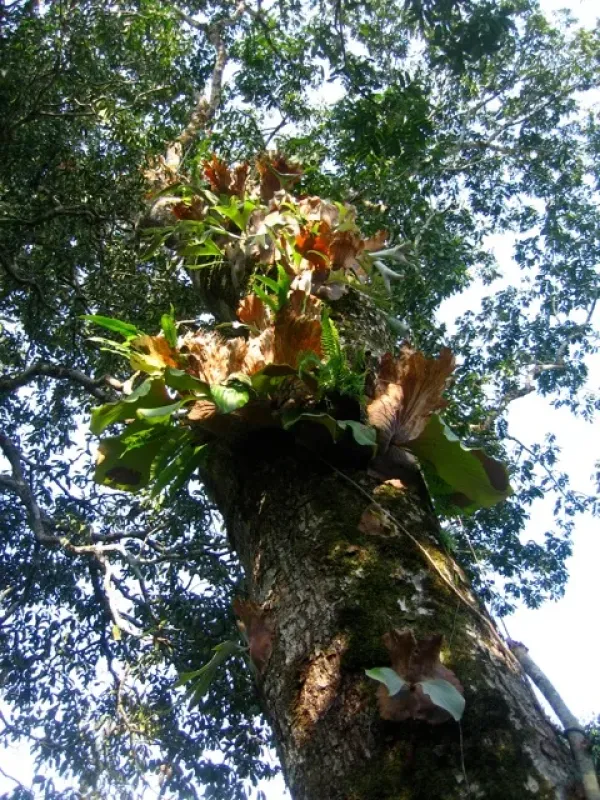
Entandrophragma utile is a prominent tree species belonging to the Meliaceae family. It is a massive tree, often reaching heights of 60 meters, known primarily for its high-value timber, commercially traded as Utile or Sipo.
The species originates from the tropical rainforests of West and Central Africa. It thrives in regions with high rainfall and warm temperatures, specifically across the Congo Basin and parts of West Africa.
Regarding soil requirements, Entandrophragma utile prefers deep, well-drained, and nutrient-rich soils. While it can adapt to various forest conditions, waterlogged areas are detrimental to its development and health.
The tree exhibits specific light requirements, generally being a light-demanding species once it reaches the canopy layer. Young saplings possess a moderate tolerance to shade, which allows them to survive under the dense canopy before reaching adulthood.
In terms of silviculture, the management of this species involves careful monitoring of forest density to ensure optimal growth rates. Efforts are focused on managing natural regeneration and preventing over-exploitation to maintain the longevity of the population.
Harvesting
The harvesting of Entandrophragma utile is a significant industrial activity. The wood is highly sought after for its durability, resistance to insect attack, and its pleasing reddish-brown color.
Main uses include fine furniture manufacturing, high-quality cabinetry, and interior joinery. It is also favored in boat building and construction due to its stability and resistance to weathering.
Logging practices for this species are usually strictly regulated in its native range. Sustainable forest management is vital, as the tree requires a long growth cycle to reach dimensions suitable for high-quality lumber production.
During the processing stage, the timber is appreciated for being relatively easy to work with both machine and hand tools. It takes finishes well and is a staple in the high-end veneer industry.
Given its economic importance, there is continuous research into the reforestation and nursery cultivation of Entandrophragma utile to support the demands of the international wood market while ensuring ecological stability.