
Entandrophragma angolense
Entandrophragma angolense (Welw.) C. DC.
Description
Growing requirements
Entandrophragma angolense is a majestic tree species belonging to the Meliaceae family. It is native to the tropical forests of Africa, thriving in diverse regions spanning from Guinea across to Angola and Uganda.
This species is highly demanding of deep, fertile, and well-drained soils. It requires a humid tropical climate where rainfall is distributed throughout the year, ensuring consistent moisture for root development.
Growth rates are generally moderate to fast under ideal conditions. In its juvenile stage, the tree is shade-tolerant, making it well-adapted to the understory of primary forests before it breaks through the canopy.
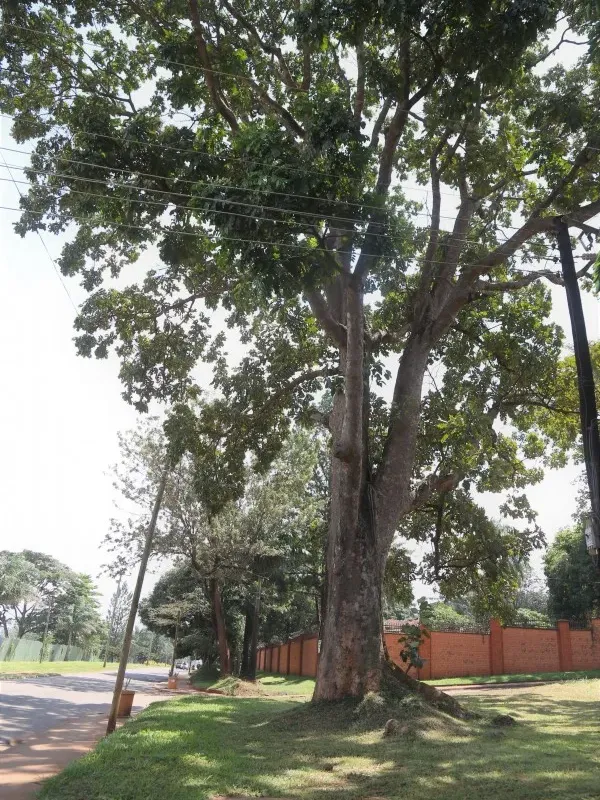
Morphologically, the tree features a massive, cylindrical bole that can reach heights of up to 50 meters. The bark is distinctive, gray, and peeling, which helps in identifying mature specimens in the wild.
The leaves are compound, pinnate, and create a broad canopy. Its reproductive strategy involves large woody capsules that release winged seeds upon maturity, facilitating effective dispersal by wind within the forest environment.
Yield
The primary economic value of this culture is its high-quality timber, globally traded under the name "Tiama" or "African Mahogany." It is a premium material used in various high-end woodworking applications.
Due to its durability, workability, and rich reddish-brown color, the wood is extensively used for luxury furniture, fine joinery, cabinet making, and interior paneling. It is also favored in boat building for its structural integrity.
Main diseases and pests
Pests such as fruit and seed borers are significant biological threats, as they significantly reduce the success rate of natural regeneration and seed germination in forest nurseries.
Fungal pathogens can pose risks if the trees are planted in areas with poor drainage or stagnant air, leading to root rot or trunk infections that degrade the quality of the valuable timber.
Sustainable forest management is critical for this species. Over-harvesting and deforestation pose the greatest threats, necessitating strict conservation policies and structured reforestation efforts to preserve future supply.