
Englerophytum natalense
Englerophytum natalense
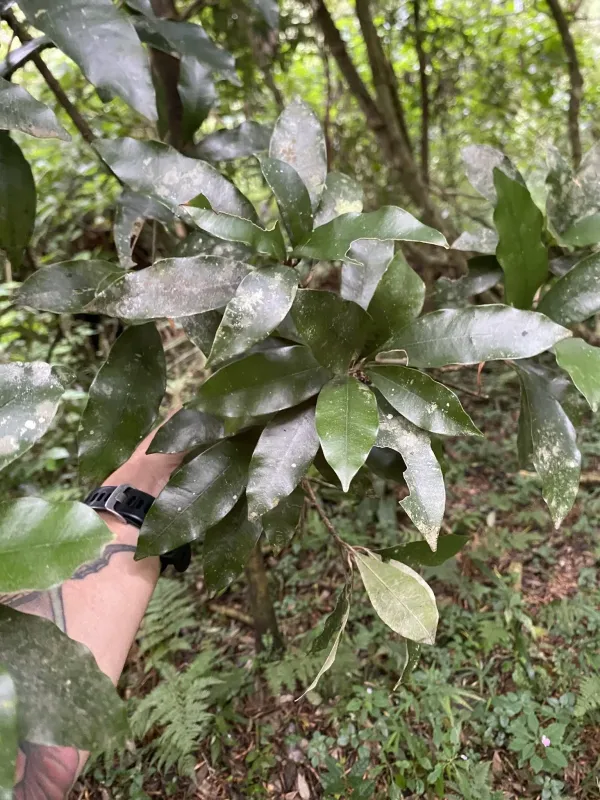
Description
Growing requirements
Englerophytum natalense is an evergreen tree or shrub belonging to the Sapotaceae family. It is recognized for its robust growth habit and ability to thrive in coastal and forest environments within its native range in Southern Africa.
The plant performs best in nutrient-rich, well-draining soil types. Maintaining adequate soil structure and pH balance is critical, as the species is sensitive to waterlogging, which can impede root development and overall tree vigor.
Climate requirements for this culture are centered on tropical and subtropical conditions, characterized by warm temperatures and consistent rainfall. Protection from frost is essential, as the plant does not possess mechanisms to recover from freezing damage.
Agricultural management includes strategic pruning to manage canopy density and encourage fruit-bearing wood development. Consistent moisture levels, combined with the application of organic mulch, significantly improve yield stability and plant resilience.
Economically, the species is valued for its edible berries which are consumed locally. Furthermore, the tree contributes to biodiversity conservation, acting as a food source for local fauna, and is increasingly incorporated into sustainable agroforestry models.
Yield
Yield capacity depends heavily on the age of the tree and the availability of soil nutrients. Mature trees provide substantial harvests during the peak season, provided that pollinators are abundant and climatic conditions remain favorable during the flowering stage.
Main diseases and pests
Common threats include leaf spot diseases and wood-boring insects. Maintaining orchard hygiene by removing dead or diseased branches is a standard practice to prevent the spread of infections throughout the planting site.
Harvesting
Harvesting Englerophytum natalense involves manual collection of ripe fruits once they reach their characteristic color. Careful handling is required to avoid bruising the delicate skin, which ensures better shelf life after the picking process.