
Englerophytum magalismontanum
Englerophytum magalismontanum
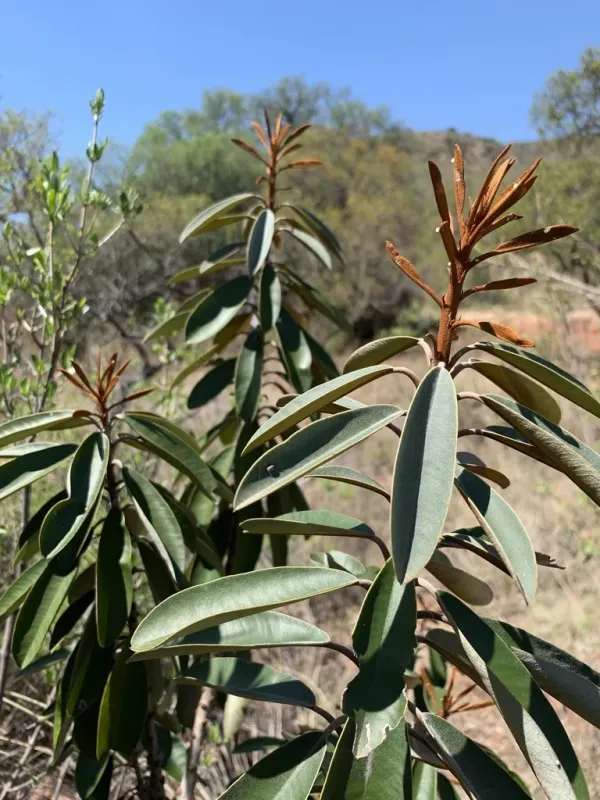
Description
Sowing dates
Englerophytum magalismontanum, commonly known as the Transvaal milkplum, is a member of the Sapotaceae family. Propagation is primarily achieved through seeds, which should be sown immediately after harvesting to ensure maximum viability.
The seeds have a short shelf life and lose their germination potential rapidly if stored incorrectly. Using a well-draining, sterile potting mix is essential for starting seeds in a nursery environment to prevent damping-off disease.
Seedlings grow relatively slowly, which is characteristic of the species. Proper nutrition and light management during the early stages of development are crucial for building a strong, healthy root system before field transplanting.
Container cultivation is a common practice in nurseries, allowing for better monitoring of soil moisture and nutrient uptake. This method also protects young trees from extreme weather conditions that could damage fragile stems.
Transplanting should occur when the seedlings are at least 30–50 cm tall and have established a woody stem. Proper spacing between trees is necessary to allow for future crown development and to ensure adequate sunlight exposure.
Growing requirements
The tree thrives in warm, temperate to subtropical climates and is native to rocky outcrops and woody savannahs. It shows remarkable resilience to drought, making it an excellent candidate for regions with limited water resources.
Well-draining, slightly acidic to neutral soils are preferred. Heavy clay soils should be avoided or amended with organic matter and sand to improve drainage and root penetration, which is vital for the health of this species.
Sunlight requirements are high, as the species is adapted to open, exposed environments. Full sun exposure promotes better flowering and fruit set, though young saplings may benefit from partial shade during the hottest hours of the day.
The species is sensitive to severe frost, which can cause significant tissue damage. In colder regions, greenhouse cultivation is necessary to maintain the temperatures required for vegetative growth and fruiting.
Maintenance of the soil microbiome is a key aspect of successful cultivation. Incorporating organic compost and maintaining appropriate soil moisture levels supports beneficial mycorrhizal fungi, which help the plant absorb nutrients efficiently.
Yield
The fruit of Englerophytum magalismontanum is a fleshy berry with a sweet, unique flavor profile. Yields can be substantial once the tree reaches maturity, usually within 5 to 8 years of planting.
Fruiting is often asynchronous, meaning harvest periods can extend over several weeks. This characteristic is beneficial for small-scale farming, providing a consistent supply of fresh produce for local markets.
The fruits are highly versatile and are consumed fresh or used in various culinary applications, including preserves, jellies, and traditional fermented beverages. Their sweet taste makes them a desirable product for niche fruit markets.
Beyond food production, the tree is aesthetically pleasing, with leathery, glossy leaves and silvery undersides. This makes it a popular choice for ornamental plantings in suitable climates, adding value beyond fruit yield.
In addition to berries, the wood of the tree is known for its durability and density. While not typically harvested for timber due to the slow growth rate of the tree, it is sometimes used for small-scale local woodworking projects.
Main diseases and pests
Fungal pathogens represent the most significant threat to plant health, particularly in humid or overcrowded conditions. Maintaining proper airflow through regular pruning and strategic spacing is essential for disease management.
Sucking insects, such as scale insects and mealybugs, can infest foliage and twigs, causing stunted growth and leaf drop. Early detection and treatment with appropriate biological control agents or soft insecticides are recommended.
Root rot caused by Phytophthora species is a major concern in waterlogged soils. Improving soil aeration and strictly controlling irrigation practices are the most effective ways to prevent such infections from destroying the root system.
Fruit flies can cause significant damage to the ripening harvest. The use of biological traps and the removal of fallen, infested fruits help to reduce the population of these pests in the orchard environment.
In areas where wildlife is prevalent, protecting young trees from browsing animals is necessary. Strong fencing or protective mesh shields should be used until the bark hardens and the tree reaches a sufficient height.
Harvesting
Harvesting should be done with extreme care, as the mature fruits are delicate and prone to bruising. Hand-picking is the standard method to ensure the highest quality of the harvested produce.
Harvested fruits should be sorted immediately by maturity and size. Proper handling minimizes damage and extends the shelf life of the berries, which are naturally perishable once removed from the tree.
For storage, keeping the fruits in a cool, ventilated environment is essential. Refrigeration can help maintain freshness for short periods, but temperatures should be carefully managed to avoid cold damage.
Logistics for transport require careful packaging in shallow containers to prevent weight compression on the bottom layers. This is crucial for maintaining the visual appeal and eating quality of the fruit.
Processing the fruit shortly after harvest is a recommended strategy to reduce post-harvest losses. Converting excess yield into value-added products like jams and preserves ensures economic stability for the farmer.