
Elliottia racemosa
Elliottia racemosa
Description
Growing requirements
Elliottia racemosa, commonly known as the Georgia plume, is an exquisite and highly rare shrub from the Ericaceae family. It is endemic to specific regions in Georgia, USA, and is highly prized among botanists and collectors for its striking appearance.
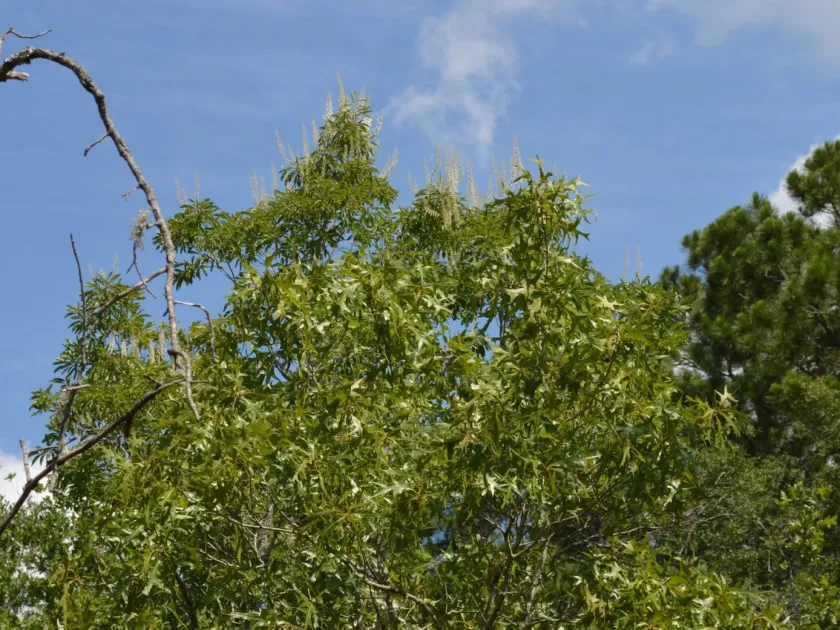
The plant typically grows as a deciduous shrub or small tree, reaching heights of 3 to 6 meters. Its defining features include terminal racemes of fragrant white, four-petaled flowers that emerge in early summer, creating a stunning visual effect against the foliage.
Cultivation requires specific environmental parameters that mimic its natural habitat. The plant thrives in well-drained, acidic, organic-rich soils. Ensuring adequate moisture while avoiding waterlogged conditions is essential for the healthy development of its delicate root system.
Regarding climate, Elliottia racemosa prefers regions with moderate temperatures and good humidity levels. It performs best in partial shade, as the harsh midday sun can easily scorch its thin, elliptical leaves, negatively impacting its overall vigor and decorative appeal.
The use of this species is largely relegated to botanical gardens, specialized conservation projects, and select ornamental landscapes. Due to its status as a rare species, it is not grown on a commercial scale, making it a valuable addition for preservation-minded gardeners.
Main diseases and pests
The most significant threat to the health of the Georgia plume is the development of Phytophthora root rot, which typically occurs in poorly drained soils.
Insects like spider mites can become an issue during periods of drought, potentially leading to leaf drop if not addressed with timely moisture management.
The plant is sensitive to alkaline soil conditions, which frequently cause iron chlorosis, stunting the growth and reducing its ability to flower effectively.
Fungal leaf spot diseases may appear if the plant is situated in an area with poor air circulation or high humidity during the vegetative season.
Maintaining the correct soil pH and providing appropriate mulch around the root zone are critical strategies to mitigate these biological threats and pests.