
Elliottia paniculata
Elliottia paniculata
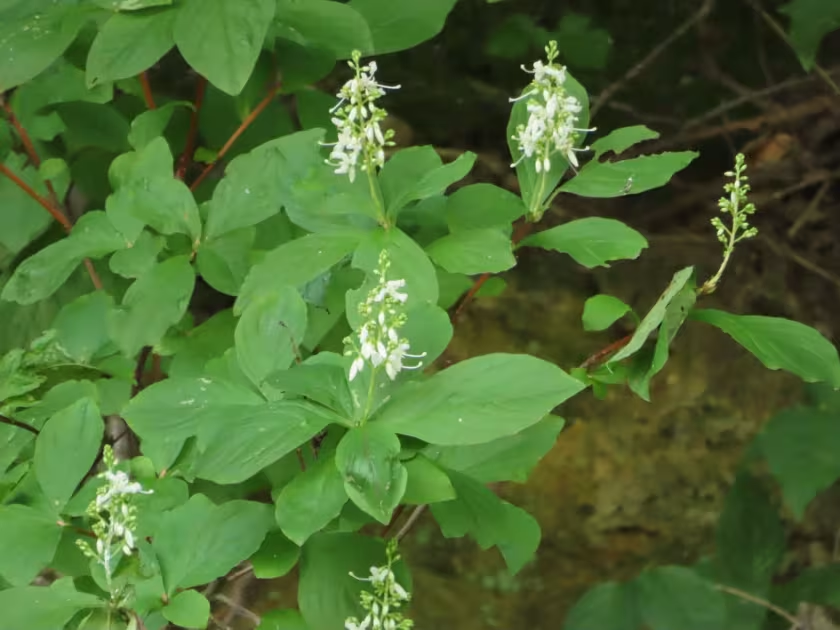
Description
Growing requirements
Elliottia paniculata is a rare ornamental shrub belonging to the Ericaceae family. Native primarily to the forests of Japan, it is known for its delicate, white, panicle-shaped flowers that appear in late spring or early summer.
The cultivation of this species requires a specific environment characterized by acidic, well-draining soil. High organic matter content, such as leaf mold or peat, is essential to mimic its natural woodland habitat and support healthy root development.
Regarding climate, Elliottia paniculata thrives in temperate regions with high humidity. It is sensitive to extreme heat and dry air, necessitating a site that provides shelter from harsh winds and intense, direct sunlight during the afternoon.
Proper water management is critical for this species. The root system is delicate and prone to suffocation if the soil remains waterlogged. Therefore, a site with excellent drainage or elevated beds is recommended for long-term survival.
Because it is not a common agricultural crop, propagation remains challenging for most nurseries. It is typically propagated via specialized cuttings or seeds, which require specific stratification periods and constant care to succeed in a controlled environment.
Main diseases and pests
Phytophthora root rot is the most significant pathological threat to Elliottia paniculata. This soil-borne pathogen thrives in wet conditions, making rigorous attention to soil drainage a non-negotiable aspect of the plant's health care protocol.
Pests such as spider mites can infest the foliage, particularly during dry spells. These pests suck the sap from the leaves, leading to chlorosis and premature drop, which can severely weaken the shrub if left untreated.
Chlorosis induced by high soil pH is a common physiological problem. Since the plant is an acid-loving species, it requires iron supplements if the soil becomes too alkaline, which often happens with improper irrigation water or nutrient runoff.
Fungal leaf spot infections may occur in stagnant, humid environments where air circulation is restricted. Pruning branches to improve airflow within the crown and removing affected foliage promptly can help manage these outbreaks.
Winter desiccation is a major risk for young plants exposed to drying winter winds. Applying a thick layer of organic mulch around the root zone helps maintain stable ground temperatures and moisture, preventing root damage during freezing cycles.