
Elleanthus linifolius
Elleanthus linifolius
Description
Growing requirements
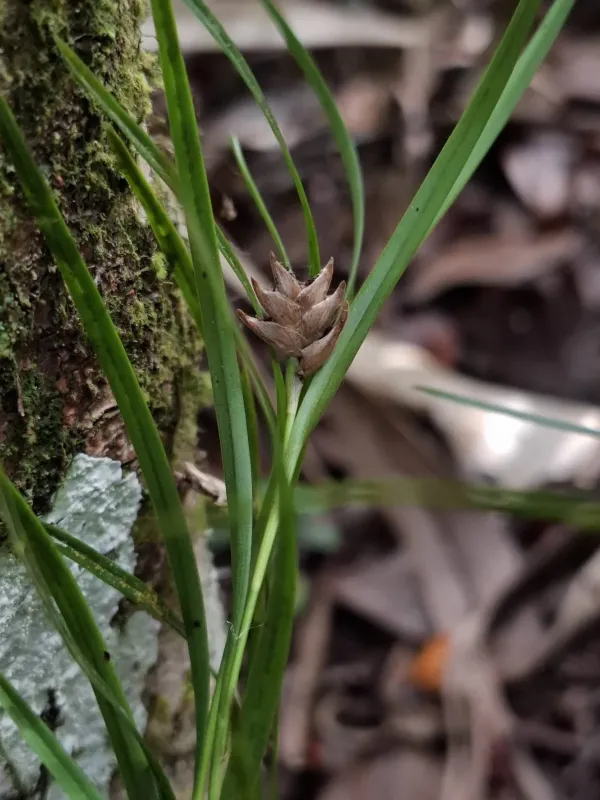
Elleanthus linifolius is an epiphytic orchid belonging to the Orchidaceae family. It is a perennial plant characterized by its unique growth habit and thin, grass-like leaves, which define its species name.
Native to the tropical forests of Central and South America, this plant is naturally adapted to high-humidity environments. It typically grows on trees or rocky slopes where it receives filtered sunlight and moisture from the air.
Successful cultivation requires a climate that mimics tropical mountain forests. Stable temperatures are essential, and the plant thrives best when ambient humidity is maintained between 70% and 90% throughout the year.
For planting, a loose and breathable substrate is required to mimic its natural epiphytic habitat. A mixture of pine bark, charcoal, and sphagnum moss is ideal to ensure optimal root aeration and drainage.
Agrotechnical management involves regular misting and careful watering with distilled or soft water. Overwatering must be strictly avoided, as the roots require a balance between moisture and access to oxygen to prevent decay.
Main diseases and pests
The primary threats to this species include fungal infections, particularly root rot and leaf spot, which are often exacerbated by poor air circulation and excessive moisture in the root zone.
Common pests such as spider mites and scale insects represent a significant danger. These pests thrive in dry conditions and can quickly colonize the plant, leading to stunted growth and foliage damage.
Aphids occasionally attack the inflorescences during the blooming season. Early detection and the application of mild, orchid-safe treatments are necessary to prevent severe damage to the delicate flowers.
Root-knot nematodes can severely affect the plant if the substrate is contaminated. Using sterile planting media is a fundamental precaution to protect the long-term health of the orchid.
Effective disease management is primarily based on environmental control, including regular ventilation and the use of high-quality, sanitized components for potting and repotting.