
Elleanthus cordidactylus
Elleanthus cordidactylus
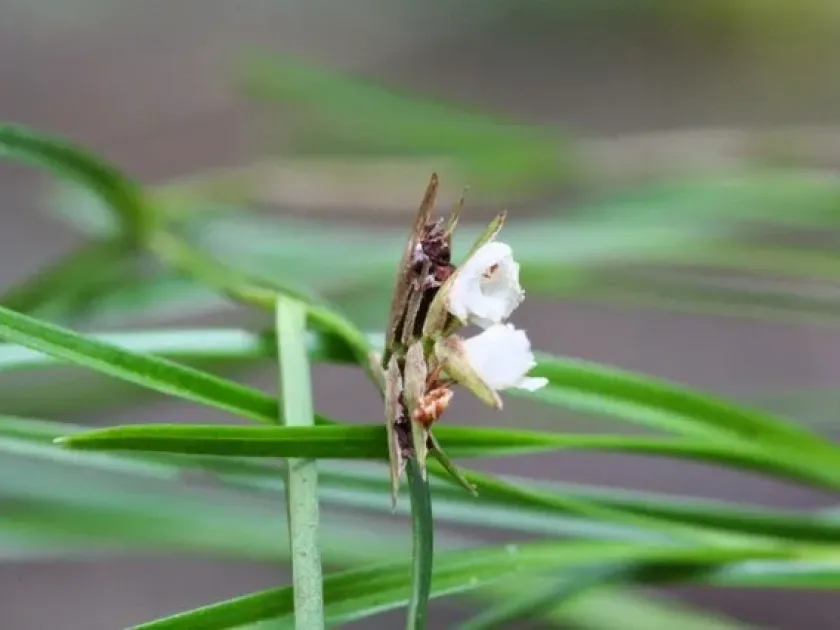
Description
Growing requirements
Elleanthus cordidactylus is a distinct species within the Orchidaceae family. It is primarily found in the cloud forests of the Neotropics, where it grows as an epiphyte, utilizing the structural support of trees to reach better light levels.
The botanical structure is defined by its slender, leafy stems that culminate in dense, terminal racemes of small, densely packed flowers. This species is known for its resilience within its specific high-altitude niche.
Cultivation of this species necessitates an environment that mimics tropical montane conditions. Essential requirements include high ambient humidity, a cool temperature regime, and excellent drainage to maintain healthy root development.
The growing medium must be highly porous. Standard orchid mixes consisting of bark, perlite, and charcoal are recommended to ensure sufficient oxygen availability to the roots, which is critical for epiphytic plants.
Light requirements for Elleanthus cordidactylus are moderate; it thrives in bright, indirect light. Direct sunlight exposure should be avoided, as it can cause significant stress and tissue damage to the foliage.
Main diseases and pests
The primary threats to this orchid include sap-sucking pests such as scale insects and spider mites. These pests thrive in dry environments and can quickly weaken the plant by feeding on its sap and nutrients.
Fungal pathogens pose a constant risk, particularly when air circulation is inadequate. Overwatering is the leading cause of root rot, which can prove fatal if not identified and addressed through immediate re-potting.
Bacterial soft rot can occur under conditions of excessive moisture combined with poor ventilation, leading to the rapid decay of leaves and stems. Affected parts must be pruned back to healthy tissue using sterile tools.
Prevention involves regular inspection of the plants, particularly the undersides of the leaves and the base of the stems. Maintaining a hygienic growing environment is crucial to minimize the risk of pest and disease outbreaks.
Integrated pest management strategies, focusing on biological controls and proper cultural practices, are preferred over chemical interventions to ensure the long-term health and stability of the orchid collection.