
Portulacaria afra
Portulacaria afra (L.) Jacq.
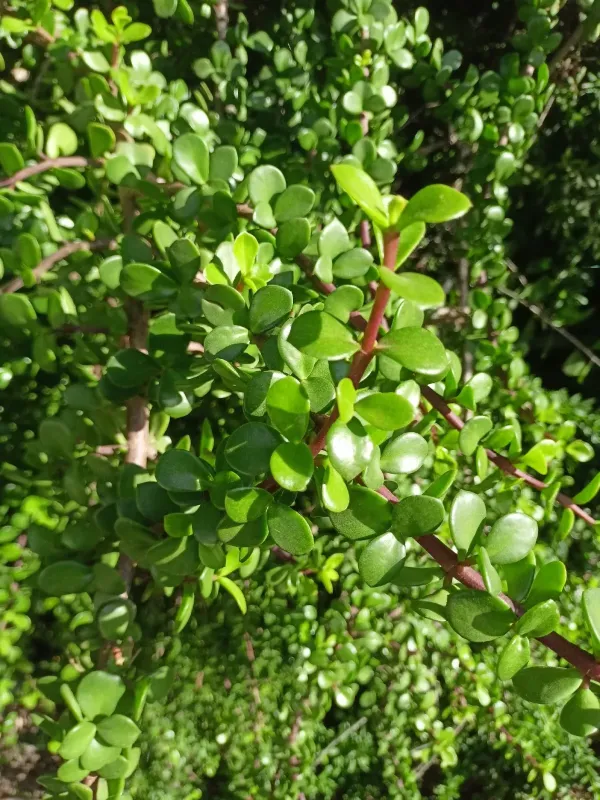
Description
Growing requirements
Portulacaria afra, commonly known as Elephant Bush, is a succulent shrub belonging to the Didiereaceae family. In its native habitat of Southern Africa, it grows as a hardy, evergreen plant characterized by its thick, water-storing stems and succulent leaves.
The crop thrives in arid and semi-arid conditions, requiring well-drained, sandy, or rocky soil to prevent root rot. It is highly sensitive to waterlogged conditions, which are the primary limiting factor in the successful cultivation of this species.
Ideal climatic conditions for P. afra involve plenty of sunlight and warm temperatures ranging from 20°C to 30°C. It is a drought-tolerant plant that effectively manages its metabolic processes to thrive where rainfall is inconsistent or scarce.
Soil quality should lean towards neutrality or mild alkalinity. In industrial or farm settings, ensuring the soil structure allows for rapid drainage is paramount. Proper substrate aeration is essential for the development of a healthy and extensive root system.
Propagation is primarily achieved through stem cuttings. This method is highly effective, as the succulent stems root readily in well-drained media, allowing producers to establish new fields relatively quickly during the growing season.
Yield
Portulacaria afra is increasingly recognized as a significant fodder crop in arid regions. Its succulent foliage provides a reliable source of nutrition and water for livestock and wild herbivores, particularly during the dry season when other forage sources are depleted.
Beyond its value as animal feed, this species is a champion of soil conservation. Its complex root network serves as an effective erosion control measure, stabilizing slopes and protecting topsoil in vulnerable, degraded environments.
The plant demonstrates remarkable potential for carbon sequestration. Through the CAM (Crassulacean Acid Metabolism) pathway, P. afra captures significant amounts of atmospheric CO2, contributing to environmental restoration efforts and climate change mitigation.
In various culinary traditions, the leaves are consumed for their high Vitamin C content and acidic, pleasant taste. This secondary use provides an additional economic incentive for farmers and local communities to integrate the crop into their lands.
To maximize yields, controlled pruning is recommended. Regular cutting encourages the plant to branch out, resulting in a denser canopy and a continuous supply of nutritious green biomass throughout the year.
Main diseases and pests
The primary agronomic threat to P. afra is fungal rot, usually triggered by excessive moisture in the soil or poor ventilation. Implementing a proper drainage strategy is the most effective preventative measure against root decay.
Common pests include mealybugs and spider mites, which thrive in hot, dry climates. These pests can rapidly colonize the succulent stems, necessitating vigilant monitoring and the use of targeted biological or chemical control agents when thresholds are exceeded.
Aphids occasionally infest the tender new growth, causing stunted development and reducing the plant's overall vigor. Regular inspection of the growing points and prompt treatment are necessary to prevent severe outbreaks in dense plantings.
Sensitivity to freezing temperatures represents a major constraint on the geographical distribution of P. afra. The species cannot survive frost, meaning that cultivation must be strictly confined to frost-free zones or protected structures in cooler climates.
To ensure long-term health, growers must maintain adequate spacing between plants to prevent the spread of humidity-related pathogens. Proper airflow is essential for minimizing the risk of black spot and other foliar diseases that can affect succulent tissues.