
Edraianthus tenuifolius
Edraianthus tenuifolius
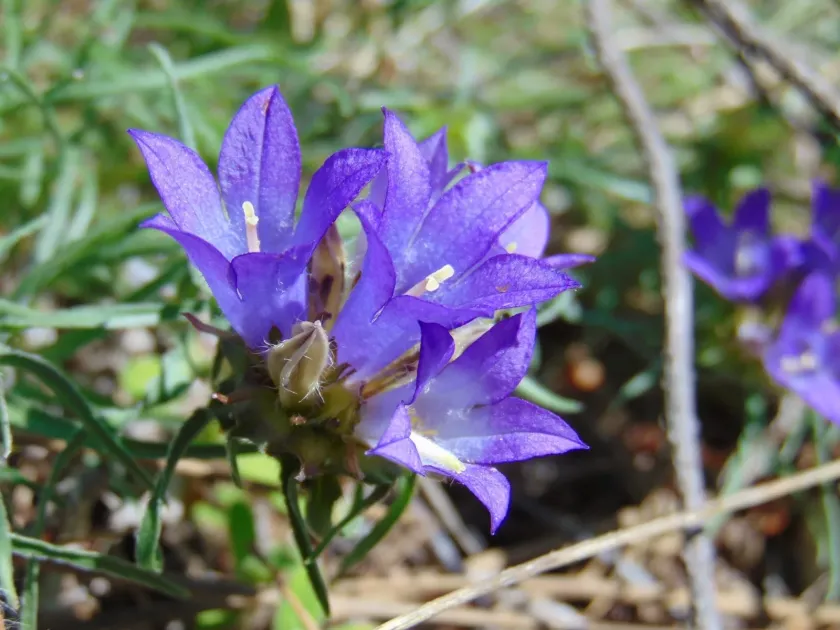
Description
Sowing dates
Seeds of Edraianthus tenuifolius should be sown in late autumn or early spring, provided they undergo a cold stratification period of 1-2 months. This dormancy-breaking process is essential for achieving successful germination rates.
When starting seeds indoors, use a well-draining, sandy substrate and maintain a cool environment for the seedlings. Avoid excessive heat during the germination phase to ensure healthy early development.
Pricking out seedlings into individual pots should be done with extreme caution once the first true leaves appear. The root system of this species is sensitive to disturbance, requiring careful handling during transplantation.
Transplanting to a permanent location in the garden is best performed in late spring, ensuring the plants are hardened off properly. Spacing should allow for adequate airflow around the rosette of leaves.
While vegetative propagation through division is possible, it is rarely successful due to the plant's dislike of root damage. Seed propagation remains the most reliable method for establishing new colonies.
Growing requirements
Edraianthus tenuifolius is a member of the Campanulaceae family, naturally occurring in the rocky regions of the Balkan Peninsula. It is highly adapted to growing in limestone crevices and mountainous terrain.
The plant demands well-drained, lime-rich soil to thrive. On heavy or clay soils, it is crucial to incorporate a significant amount of grit or stone chippings to improve drainage and mimic natural conditions.
Full sun exposure is required for the plant to maintain its compact cushion shape and produce abundant violet-blue flowers. In shaded positions, the plant tends to become leggy and fails to flower effectively.
Climatically, this species prefers cool, airy conditions. While it is hardy and capable of surviving cold winters, it struggles in environments with high humidity and stagnant air during hot summer months.
Watering should be managed carefully, ensuring moisture reaches the roots without wetting the foliage. A dry, gritty mulch around the crown of the plant is recommended to prevent collar rot.
Main diseases and pests
The primary threat to Edraianthus tenuifolius is fungal infection, particularly root and crown rot triggered by excessive moisture. Proper soil drainage is the most effective defense against these pathogens.
Applying a layer of fine gravel or crushed rock around the plant base helps keep the crown dry. This simple cultural practice is vital for maintaining the health of high-alpine species in garden settings.
Slugs and snails can cause significant damage to the foliage, especially during moist weather conditions. Regular monitoring and physical barriers are effective strategies for managing these common garden pests.
Aphids may occasionally infest the plants during the growing season. If a heavy infestation occurs, mild insecticidal soap can be used, though application should be cautious to avoid damaging the delicate leaves.
Maintaining strong, vigorous plants through correct site selection and minimal disturbance is the best strategy to minimize susceptibility to disease and pest outbreaks throughout the year.