
Eclipta thermalis
Eclipta thermalis
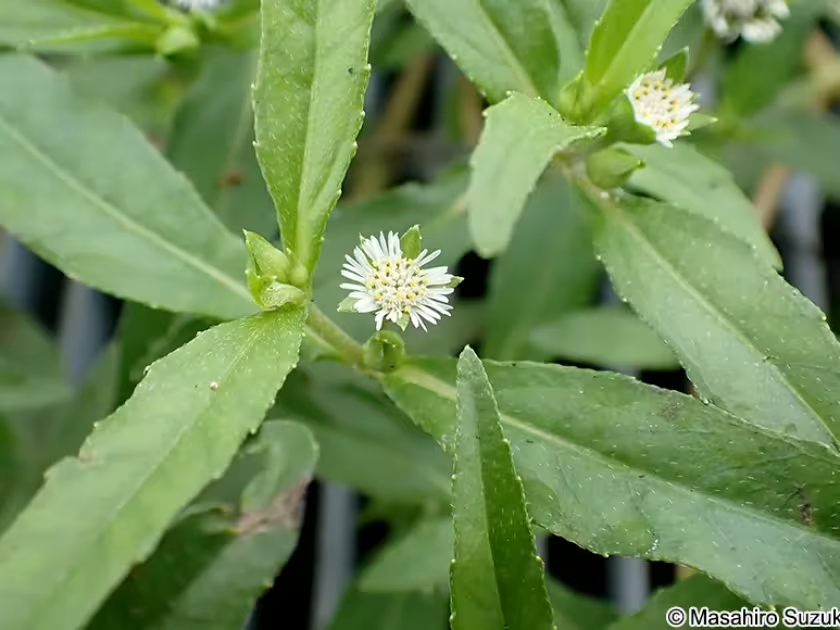
Description
Sowing dates
Eclipta thermalis is a moisture-loving crop that requires stable, warm conditions for optimal seed germination. The ideal time for sowing is late spring, once the soil temperature at a depth of 5-10 cm consistently remains above 18-20 degrees Celsius.
To ensure uniform emergence, it is recommended to stratify seeds in high humidity conditions before sowing. Planting should be carried out in rows with 45-60 cm spacing, which provides sufficient room for the plant to form a robust aerial structure.
The seeding depth should not exceed 1-2 cm, as the seeds are small and possess low energy if planted too deeply. The soil must be moist and finely textured to ensure proper contact between the seed and the growing medium.
In regions with shorter growing seasons, starting the plants from seedlings is recommended. This method allows for a faster harvest of biomass and protects young plants from unexpected temperature fluctuations.
Once the first true leaves emerge, thinning should be performed to leave 20-30 cm between plants. This practice prevents competition for light and nutrients, ensuring the uniform development of every plant in the field.
Growing requirements
Belonging to the Asteraceae family, Eclipta thermalis has specific environmental requirements, reflecting its natural habitat near thermal springs and moist environments. The crop is highly dependent on both substrate and air humidity levels.
The best soils for cultivation are organic-rich loams with a neutral or slightly acidic pH level. While the plant does not tolerate stagnant cold water, it requires a continuous supply of moisture during its active growth phase.
Light intensity plays a critical role in the synthesis of secondary metabolites within the plant's tissues. Eclipta prefers open, well-lit locations that are sheltered from strong winds, which can cause excessive drying of the foliage.
For full development, the plant requires high daily average air temperatures characteristic of tropical or subtropical climates. If temperatures drop below 15 degrees Celsius, growth significantly slows down or ceases entirely.
Agricultural management includes systematic cultivation of row middles to prevent soil crusting and ensure root aeration. Incorporating organic fertilizers at the start of the vegetative phase significantly increases overall biomass productivity.
Yield
The yield of Eclipta thermalis depends directly on maintaining precise irrigation and mineral nutrition protocols. In commercial production, the target product is the raw green biomass, which is highly valued for its chemical composition.
On average, intensive farming techniques can yield between 15 and 25 metric tons of raw aerial biomass per hectare. Exact figures vary depending on the climate zone and the number of cuttings performed in a single season.
Dried raw material yields typically represent 20-25% of the fresh weight. Drying must occur in the shade or in specialized dryers at temperatures not exceeding 40 degrees Celsius to preserve biological activity.
Consistency in yield is achieved by balanced nitrogen application during the vegetative growth period. Excessive nitrogen should be avoided, as it can lower the concentration of essential oils and other valuable compounds in the plant.
To maximize annual yields, a multi-cutting method is used to stimulate side-branching. Repeated harvests allow for a significantly higher total output per year compared to a single harvest approach.
Main diseases and pests
Major threats to Eclipta crops are related to fungal diseases that arise in humid conditions with high planting density. Powdery mildew is the most common issue observed when aeration is insufficient.
Root rots may affect the crop if drainage management is neglected. Pathogen development is often triggered by water stagnation, which quickly compromises the plant's immune system and growth potential.
Common pests found in Eclipta fields include aphids and spider mites. These pests feed on the sap of young leaves, causing deformation of leaf blades and a significant reduction in photosynthetic surface area.
For pest control, it is recommended to use biological products based on entomopathogenic fungi or plant extracts, which is vital if the product is intended for medicinal or pharmacological use.
Disease prevention relies on crop rotation and spatial isolation from other members of the Asteraceae family. Regular removal of plant debris, where fungal spores often overwinter, is also a highly effective control measure.
Harvesting
Harvesting Eclipta occurs during the peak flowering phase, when the concentration of beneficial substances in the aerial parts reaches its maximum. This is the period when the plant possesses its highest therapeutic value.
Cutting is performed 10-15 cm above the soil surface, which stimulates the growth of side shoots for subsequent harvests. It is essential to perform the harvest during dry weather to prevent raw material spoilage during processing.
Mechanical harvesting uses specialized cutters adjusted for gentle biomass removal. Immediate transport of the material to a processing facility prevents overheating and the breakdown of delicate active compounds.
After collection, the material is sorted to remove weeds, soil, and damaged parts. Quality depends heavily on how quickly the drying process begins after the plants are cut.
Storage of the dried material takes place in dry, dark, and well-ventilated rooms. The use of airtight containers protects the final product from moisture and degradation of its aromatic and medicinal properties over long periods.