
Ebenus sibthorpii
Ebenus sibthorpii
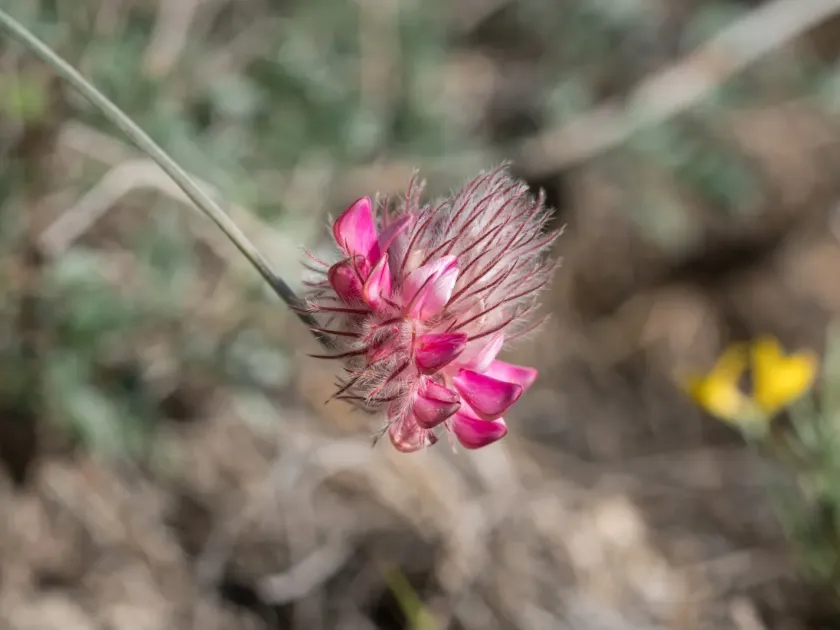
Description
Sowing dates
The propagation of Ebenus sibthorpii is primarily achieved through seeds, which require specific handling to break dormancy effectively.
Sowing should take place in late winter or early spring using a well-drained, sterile potting medium to prevent early seedling rot.
Seeds of this species benefit from scarification, a process that nicks the seed coat to facilitate water absorption and promote consistent germination.
Once seedlings have developed their first true leaves, they should be carefully transplanted into individual pots to avoid root disturbance.
Hardening off the plants before final transplantation into the garden is essential to ensure they adapt to ambient outdoor conditions safely.
Growing requirements
Ebenus sibthorpii is a botanical representative of the Fabaceae family, native to the rugged terrains of the Eastern Mediterranean region.
This crop thrives in full sun exposure and requires an environment that mimics its natural rocky habitat for optimal growth and flowering.
Soil requirements include excellent drainage, as the root system is highly susceptible to rot if subjected to waterlogging or heavy, clay-based substrates.
Minimal fertilization is required, as the plant is adapted to nutrient-poor soils and may lose its compact habit if over-fertilized with nitrogen.
Due to its Mediterranean origin, it is best suited for climates with mild winters, requiring protection in areas where temperatures drop below freezing.
Main diseases and pests
Fungal pathogens represent the most significant threat to this species, particularly when high humidity coincides with inadequate soil aeration.
Root rot, often caused by overwatering, remains the primary cause of plant loss in both container and open-field cultivation systems.
Pests such as aphids can occasionally colonize the soft, pubescent foliage and flower spikes, causing deformation and general decline.
- Regular inspection of the leaf underside is recommended.
- Use organic soap-based sprays for localized pest control.
- Ensure sufficient spacing between plants to improve airflow.
- Apply systemic fungicides only if a severe infection is confirmed.
Maintaining a dry microclimate around the base of the plant is the most effective cultural practice to mitigate the risk of disease outbreaks.