
Cretan ebony
Ebenus cretica
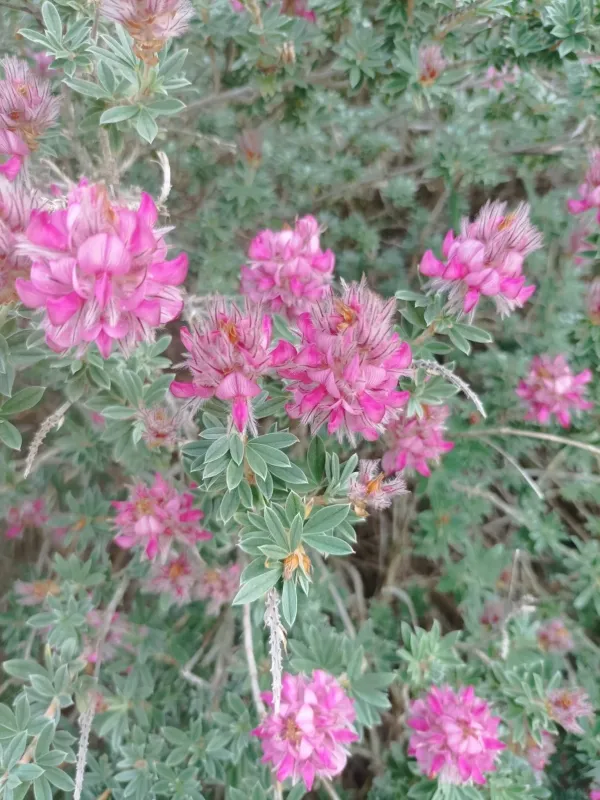
Description
Sowing dates
Sowing Cretan ebony (Ebenus cretica) seeds is best performed in early spring. The seeds are characterized by a hard seed coat, which typically requires scarification or a 24-hour soak in warm water to improve germination rates.
Use a well-draining, sandy-based seed compost for sowing. Cover the seeds lightly with a thin layer of grit or vermiculite, ensuring they are not buried too deeply to maintain optimal gas exchange.
Maintain an ambient temperature of approximately 18–22 degrees Celsius during the germination phase. Consistent but moderate moisture is necessary, avoiding any waterlogging which can be fatal for the emerging seedlings.
Once seedlings develop their first true leaves, they should be carefully transplanted into individual pots. Using small, deep containers helps promote a healthy taproot system, which is essential for the plant's later stability.
Hardening off the plants before final placement in the landscape is a crucial step. Gradually acclimatize the seedlings to direct sunlight and fluctuating outdoor temperatures over a period of two weeks.
Growing requirements
Cretan ebony is a striking woody perennial from the Fabaceae family, native to the rugged limestone cliffs of Crete. Its biological evolution has adapted it perfectly to nutrient-poor and rocky environments.
The plant demands full sun exposure to thrive. Its leaves are covered in fine, silvery hairs, an evolutionary trait designed to reflect intense solar radiation and reduce transpiration losses during hot summers.
Soil requirements are strict: the medium must be highly permeable. Cretan ebony will not survive in dense or heavy soils. Adding a significant portion of gravel or crushed stone to the soil mix is recommended for container gardening.
Climate suitability is limited to Mediterranean-type environments. It possesses moderate drought tolerance but requires protection from excessive winter moisture and prolonged frost, which can damage the delicate terminal buds.
Nutritional needs are low. Over-fertilization, especially with nitrogen-rich compounds, leads to succulent, weak growth that is highly susceptible to frost damage and prevents the plant from hardening for the season.
Main diseases and pests
Root rot is the most significant threat to the health of Cretan ebony. It is almost exclusively caused by poor drainage or excessive watering, leading to the rapid decay of the root system in damp, cold soil conditions.
Fungal infections, such as powdery mildew, can appear in poorly ventilated environments. Ensuring proper airflow and adequate spacing between individual plants is the best defense against fungal outbreaks.
Pests like spider mites and aphids are common intruders, particularly in greenhouse or sheltered conditions. They can quickly colonize the foliage, leading to yellowing leaves and reduced vigor if left unchecked.
Weevils may also pose a threat by feeding on the buds and young growth. Monitoring for signs of leaf notches or bud damage is essential for early detection and targeted management of these persistent pests.
Sanitation practices are vital for long-term health. Regularly pruning out dead or diseased branches helps maintain airflow through the center of the shrub and prevents the accumulation of pathogens.