
Amaryllis belladonna
Amaryllis belladonna L.
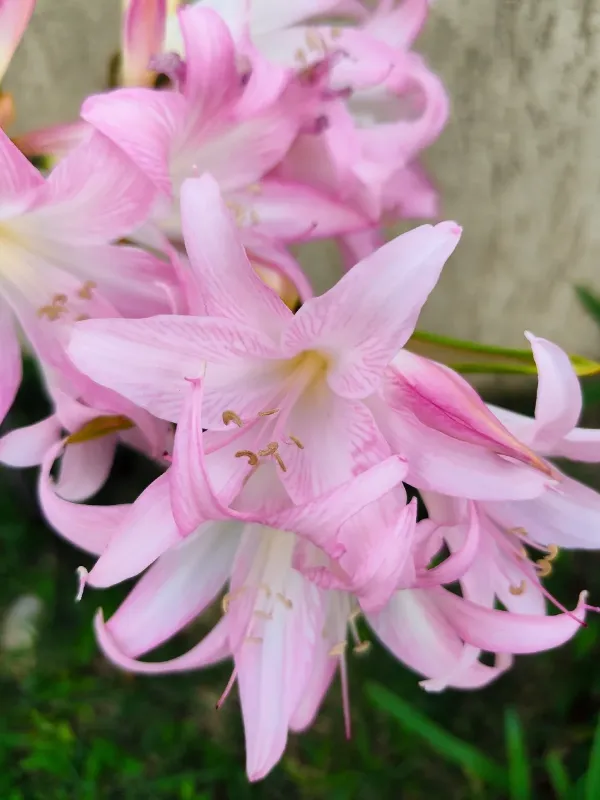
Description
Growing requirements
Amaryllis belladonna L. is a perennial bulbous plant belonging to the Amaryllidaceae family. Native to the Cape region of South Africa, this species is well-adapted to environments with alternating wet and dry seasonal patterns.
The plant features a large bulb that serves as the primary storage organ. A distinctive biological trait of this species is the production of a sturdy, leafless inflorescence (scape) that emerges from the soil before the foliage develops.
Successful cultivation requires well-draining, fertile, and sandy-loam soils. Proper aeration is essential, as waterlogging is the most common cause of bulb rot in this crop. A neutral to slightly acidic pH range is generally considered optimal.
The crop thrives in full sunlight and requires a warm climate. Because it is not frost-tolerant, it is often grown as a container plant or in climate-controlled greenhouse environments in colder regions to ensure consistent development.
Commercially, Amaryllis belladonna is prized for its ornamental value. It is cultivated extensively for the cut flower industry and as a popular garden plant in Mediterranean-type climates, where it can be naturalized successfully.
Main diseases and pests
The most significant pathological threat to the crop is "red blotch" or Stagonospora curtisii. This fungal disease creates characteristic reddish-purple spots on the leaves and bulbs, often resulting in structural deformity and plant death.
The amaryllis bulb mite and mealybug are major insect pests that target the bulbs. These pests damage the succulent tissue, leading to stunted growth and providing entry points for secondary bacterial infections and decay.
Fusarium wilt and various basal rots pose a constant risk, especially when soil moisture levels are not strictly managed. Strict adherence to irrigation schedules is the primary method of preventing these soil-borne fungal infections.
Spider mites can become a nuisance during the vegetative growth phase, particularly in arid greenhouse environments. Monitoring humidity and applying horticultural oils or miticides can effectively keep infestations under control.
Maintaining crop health requires consistent monitoring and a proactive strategy. This includes bulb disinfection before planting, proper crop rotation (if applicable), and immediate removal of any diseased plant tissue to prevent further spread.