
Jacobaea maritima
Jacobaea maritima (L.) Pelser & Meijden
Description
Sowing dates
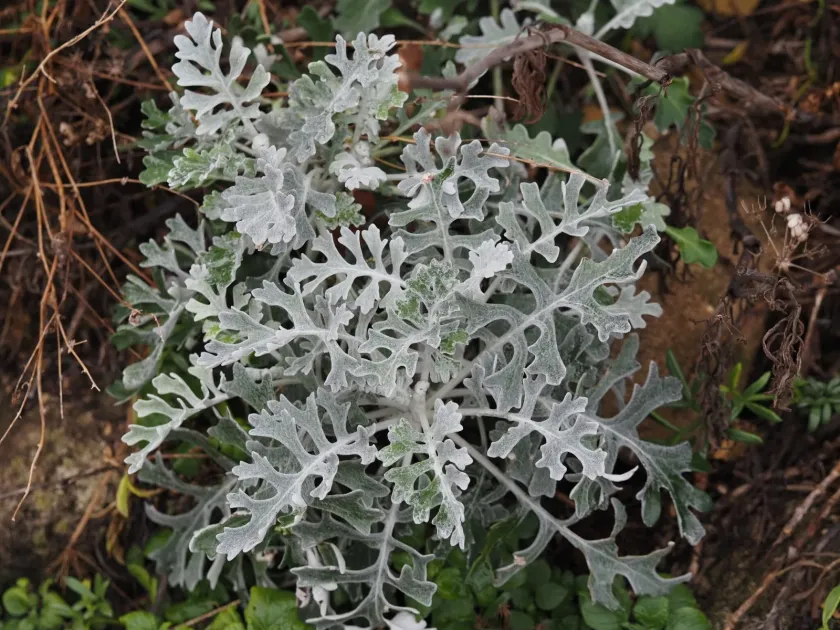
Jacobaea maritima, commonly known as dusty miller, belongs to the Asteraceae family. While it is a perennial species, it is frequently cultivated as an annual in cooler climates due to its sensitivity to extreme frost.
The sowing season begins in late winter or early spring in a controlled indoor environment. Seeds require light to germinate, so they should be sown on the surface of the soil rather than buried deeply.
The optimal germination temperature ranges from 20 to 22 degrees Celsius. Maintaining consistent humidity without soaking the soil is crucial for a high percentage of germination in the early stages.
Once seedlings develop their first true leaves, they should be pricked out into individual pots. This transition helps establish a robust root system before the final hardening-off process begins.
Transplanting into the garden occurs once the danger of frost has passed. In temperate zones, this usually coincides with late May, ensuring the soil has sufficiently warmed up for optimal plant establishment.
Growing requirements
This crop thrives in full sun exposure. Sunlight is essential for maintaining the plant's signature silvery-white, felt-like foliage; in shaded conditions, the leaves tend to lose their luster.
Soil requirements are relatively modest, as the plant prefers well-drained, sandy, or light loam soils. Proper drainage is mandatory, as the root system is highly susceptible to rot if water persists.
Watering should be managed carefully, allowing the soil to dry out between applications. Once fully established, the plant exhibits remarkable drought tolerance, fitting well in xeriscaping or dry garden designs.
Fertilization should be applied sparingly, focusing on balanced mineral fertilizers. Excessive nitrogen promotes lush green growth at the expense of the desired silver leaf color and structural compactness.
Regular maintenance involves light pruning to preserve the desired shape of the plants. Removing older or damaged foliage encourages fresh growth and keeps the plant display tidy throughout the growing season.
Main diseases and pests
The most common pests affecting this species are aphids and spider mites. These insects can rapidly populate under dry, hot conditions, making regular inspections of the underside of leaves essential.
Fungal diseases, including downy mildew and various root rots, are primary threats when humidity levels are too high. Improving air circulation by providing adequate spacing is a key preventative measure.
Control of pests and diseases typically involves the use of approved insecticides and fungicides. However, integrated pest management practices should prioritize sanitation and proper spacing to reduce chemical reliance.
Slugs and snails may target young, tender seedlings in the early spring. Utilizing barriers or environmentally safe baits helps protect the crop during the most vulnerable stage of its life cycle.
Crop rotation and clearing plant debris at the end of the season are vital practices to prevent the overwintering of pathogens in the soil. Maintaining a healthy growing environment ensures the longevity of the plantings.