
Duke cherry
Prunus x gondouinii (Poit. & Turpin) Rehder
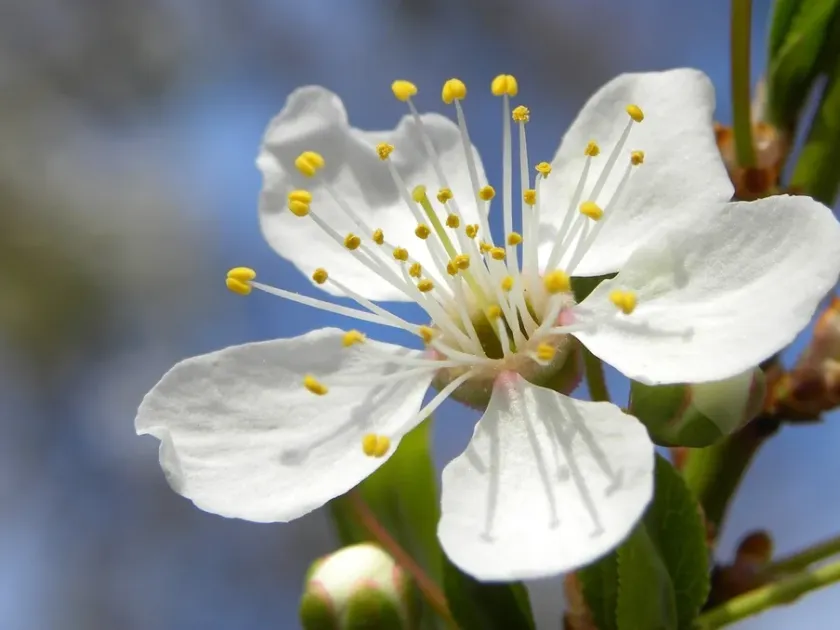
Description
Growing requirements
Duke cherry (Prunus x gondouinii) is a hybrid resulting from the cross-breeding of sweet cherries (Prunus avium) and sour cherries (Prunus cerasus). It belongs to the Rosaceae family and is highly valued for combining the cold hardiness of sour cherries with the sweet, large fruits of sweet cherries.
To successfully grow Duke cherries, choose a location with full sun exposure and protection from strong winds. The soil should be fertile, well-draining, and have a neutral pH. Avoid low-lying areas where water can stagnate, as the root system is sensitive to waterlogging.
Site selection is critical, particularly regarding groundwater levels. Roots perform best when the water table is at least 2 meters below the surface. A deep, rich topsoil layer provides the necessary nutrients for robust development during the tree's formative years.
The climate requirements make Duke cherries suitable for temperate regions. While generally hardy, young trees should be protected from winter sunscald and extreme temperature drops, which can damage the bark and underlying cambium layer during the dormant season.
Essential cultivation practices include regular irrigation during dry spells, balanced fertilization, and proper pruning. Since many varieties are self-sterile, gardeners must plant compatible pollinator varieties nearby to ensure effective cross-pollination and a successful fruit set.
Yield
Duke cherries are primarily grown for high-quality fresh consumption and culinary use. Their fruits typically possess a unique flavor profile that balances the tanginess of a sour cherry with the natural sweetness and size of a sweet cherry.
Yield capacity improves with proper management and tree age. Trees typically start producing fruit by the third or fourth year, reaching their peak productivity levels once the canopy is well-established, usually around the eighth to twelfth year.
The culinary applications are broad, including jams, jellies, preserves, and fresh desserts. Because the flesh of the fruit can be delicate, they are excellent for processing into high-value artisan products that require a distinct and nuanced fruit flavor.
In commercial orchards, variety selection is paramount. Growers often prioritize cultivars that offer firmer flesh, which enhances shelf life and improves transportability to markets. Regular pruning helps optimize light distribution, which directly correlates to yield quality and sugar content.
In years with favorable weather conditions, particularly during the critical bloom window, Duke cherries can produce exceptionally heavy crops. Adequate water and nutrient management during fruit development are essential to prevent fruit drop and ensure uniform sizing.
Main diseases and pests
Duke cherries are susceptible to common stone fruit diseases, most notably Coccomyces leaf spot and brown rot. These fungal issues thrive in high humidity, necessitating a proactive schedule of fungicide treatments tailored to the plant's growth stages.
Pests, such as the cherry fruit fly and various aphids, can significantly reduce yield quality. Integrated pest management, including regular monitoring and the use of targeted biological or chemical controls, is required to maintain tree health.
Winter injury and bark splitting due to temperature fluctuations are significant threats. Applying white latex paint or lime wash to the trunks in late autumn protects the bark from solar radiation and prevents frost-related damage.
Good orchard hygiene and sanitation are the best defenses against pathogens. Pruning to maintain an open canopy ensures airflow, which speeds up leaf drying after rainfall and reduces the overall risk of fungal infection.
When selecting varieties, growers should prioritize cultivars with known disease resistance. Using certified, healthy planting material is the first step in creating a resilient orchard that requires fewer chemical interventions over time.
Harvesting
Harvesting usually occurs mid-summer, depending on the specific cultivar's ripening schedule. Fruits should be picked when they have attained their full color and developed the desired texture, which is a sign of optimal sugar development.
The best practice is to harvest during the cool parts of the day, such as early morning. This helps keep the fruit temperatures low, preserving the firmness and quality of the berries from the moment they are pulled from the tree.
Gentle handling is necessary because the skin of the fruit is often quite thin and prone to bruising. Picking the fruit with the stem attached is recommended for fresh market sales, as it helps extend storage life and maintains the appearance of the produce.
Post-harvest cooling is highly recommended to extend shelf life. Keeping the cherries at approximately +2 to +5 degrees Celsius significantly reduces the respiration rate, allowing them to remain fresh and appealing for several days.
Sorting during the harvest process is crucial to ensure high quality. Removing any damaged or infected fruits immediately prevents the spread of rot within the storage containers and ensures that only the best product reaches the consumer.