
Sweet vernal grass
Anthoxanthum nitens (Weber) Schouten & Veldkamp
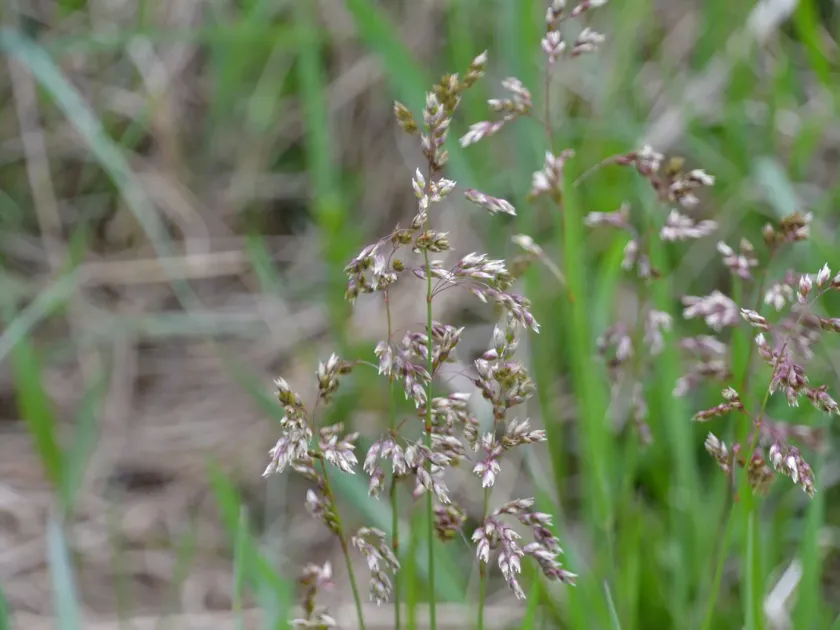
Description
Sowing dates
Sowing sweet vernal grass seeds for industrial purposes is typically conducted in the autumn or early spring. Seeds require a period of stratification, which makes late-autumn sowing highly effective as it mimics natural germination cycles.
For plantation establishment, seeds should be sown at a shallow depth of no more than 1–2 centimeters. Once germination occurs, thinning is necessary to maintain a spacing of approximately 15–20 centimeters between plants to ensure sufficient nutrient uptake and airflow.
Vegetative propagation via rhizome division is also a viable method. This approach is significantly faster than seeding, allowing for a full harvest in the first year of vegetation, whereas seedlings require more time to develop a robust root system.
As a perennial grass, sweet vernal grass can be harvested from the same plot for 5–7 years if properly maintained. It is crucial to ensure the field is free of competing weeds during the initial stages of crop development.
An optimal planting layout features row spacing of 45–60 centimeters, which simplifies mechanical soil cultivation, weeding, and the subsequent harvesting of the green biomass.
Growing requirements
Sweet vernal grass (family Poaceae) prefers moderately moist, loose, and fertile soils rich in humus. The best results are observed on light sandy loam or loamy soils that provide good drainage and rapid warming in the spring.
While the plant is light-loving, it naturally occurs in semi-shaded environments like light coniferous forests or forest clearings. In agricultural settings, it is best to select sites protected from strong winds but exposed to direct sunlight for the majority of the day.
The crop has moderate temperature requirements and exhibits high winter hardiness characteristic of northern latitudes. However, late spring frosts during the active growth phase may slightly retard the vegetative development of the plants.
Uniform moisture levels are essential for high-quality production. Although the plant is somewhat drought-tolerant due to its well-developed rhizomes, regular irrigation is required to maximize the yield of green mass and ensure a high concentration of coumarin.
Sweet vernal grass responds well to organic fertilization such as compost or well-rotted manure. Nitrogen-rich mineral fertilizers encourage intense vegetative biomass growth, which constitutes the primary harvested product of the crop.
Yield
The yield of sweet vernal grass depends heavily on the age of the plantation and the overall agronomic management. The main economic value lies in the aerial parts of the plant, which contain essential oils with a high percentage of coumarin.
Peak productivity is generally reached between the second and fourth years of growth. During this period, stable yields suitable for industrial extract production can be achieved under optimal growing conditions.
The concentration of valuable aromatic substances in the foliage is directly influenced by light intensity and temperature during the flowering stage. Increased sunlight exposure typically leads to higher accumulation of essential oils within the plant tissues.
Average dry matter yields can range from 10 to 20 decitons per hectare, depending on planting density and the intensity of care provided to the crops throughout the growing season.
Productivity tends to decline if the soil becomes overly compacted or if weed pressure is not managed effectively. Regular weeding and soil aeration are essential to maintain high yield benchmarks over the lifespan of the plantation.
Main diseases and pests
The primary threat to sweet vernal grass plantations involves various types of rust fungi that thrive in conditions of high humidity and poor ventilation. Infections degrade the quality of the raw material and reduce essential oil content.
Pests such as cereal aphids and thrips can cause significant damage to young shoots. Mass infestations suppress plant growth, leading to curled leaves and the overall weakening of the rhizome system.
Weeds represent the main competitors for nutrients and moisture. Rhizomatous weeds are particularly dangerous as they can rapidly overtake the plantation, effectively suppressing the growth and quality of the sweet vernal grass.
Effective pest and pathogen control involves practicing crop rotation and utilizing biological control agents. Chemical interventions should be approached with caution due to the specific requirements of the food and beverage industry.
Preventive measures include the timely removal of plant residues, maintaining soil aeration, and avoiding waterlogged conditions, which are critical steps for preventing mold and rot development.
Harvesting
Harvesting is conducted during the stage of mass flowering, when the concentration of aromatic coumarins in the leaves reaches its maximum. During this period, the plant emits its most intense and characteristic aroma.
Cutting is performed either mechanically or manually, leaving a stubble of 5–10 centimeters above the ground. It is essential not to damage the rhizomes to ensure rapid regeneration for the next growing season.
The harvested biomass must be dried immediately in the shade or in specialized drying facilities at temperatures not exceeding 40–45 degrees Celsius. Excessive heat can degrade valuable aromatic components and reduce quality.
Once dried, the raw material is cleaned of mechanical impurities and non-target vegetation. Properly dried sweet vernal grass can retain its unique, hay-like fragrance for several years if stored in airtight conditions.
The final product is widely used in the food industry for creating tinctures, flavoring alcoholic beverages, and in perfumery and pharmaceuticals to impart specific scent profiles to various medicinal formulations.