
Sweet vernal grass
Anthoxanthum odoratum L.
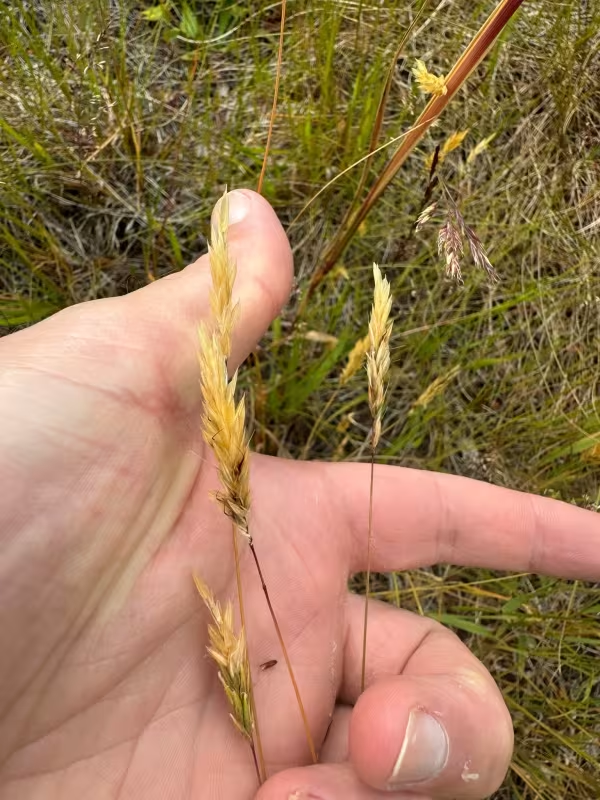
Description
Sowing dates
Sweet vernal grass is a perennial, low-growing grass species commonly sown as part of a forage mixture. The ideal sowing period is early spring or late summer, allowing the seeds to establish before extreme heat or cold weather sets in.
Because the seeds are very fine, they should be sown at a shallow depth of approximately 1-2 cm. Firming the soil with a roller after sowing is essential to ensure good soil-to-seed contact and improve germination rates.
When overseeding existing pastures, specialized equipment is used to minimize disruption to the soil surface. This technique allows for the integration of this grass into permanent grassland without significant erosion risk.
The seeding rate varies based on the purpose of the planting, usually ranging from 6 to 10 kilograms per hectare. Seedlings typically emerge within 2-3 weeks, provided there is adequate soil moisture.
Known for its capacity to tiller extensively, sweet vernal grass helps create a dense ground cover. This characteristic makes it a preferred choice for restoring degraded meadows and protecting soil from wind and water erosion.
Growing requirements
As a member of the Poaceae family, sweet vernal grass is highly adaptable to various soil types, including acidic, nutrient-poor, and sandy soils. It thrives in temperate climates and is remarkably hardy during winter months.
The species displays a high level of shade tolerance, enabling it to grow in woodland margins or orchards where other grasses might struggle. It prefers moisture-retentive soils but can tolerate periods of moderate drought.
One of its distinct features is the presence of coumarin, which gives the plant a sweet, vanilla-like aroma when dried. This compound also helps the plant remain palatable even when it reaches maturity.
Sweet vernal grass is not highly demanding regarding nitrogen fertilization, making it suitable for low-input agricultural systems. It maintains growth across a wide range of temperatures, with optimal development occurring between 15-20°C.
While it prefers loose, well-aerated soils, it can tolerate temporary waterlogging, although persistent saturation should be avoided to prevent root damage and promote plant longevity.
Yield
Although the biomass yield of sweet vernal grass is generally lower compared to high-production rye grasses, it is highly valued for the nutritional quality and fragrance it adds to hay. Livestock readily consume the forage due to its improved palatability.
In well-managed meadows, the grass can produce two cuts per season, depending on rainfall and soil fertility. It recovers well after grazing or mowing, ensuring a consistent supply of forage for livestock.
The hay produced is often mixed with other species to improve the overall quality of winter feed. Its ability to maintain nutrient content after flowering makes it an excellent component for late-season harvesting.
Seed yields can reach 200-300 kg per hectare under favorable conditions. Successful seed production requires precise timing to avoid excessive shattering, as the seeds drop easily when fully ripe.
Under good management, a stand of sweet vernal grass can last for many years, making it a cost-effective choice for permanent pasture setups where long-term sustainability is the goal.
Main diseases and pests
Sweet vernal grass is generally robust, but it can be susceptible to fungal infections like rust, especially during humid summer months. These infections can reduce the quality of the foliage if left untreated.
Insect pests such as cereal flies and larvae that target root systems may occasionally cause damage. Monitoring fields for signs of stunted growth helps in identifying and managing pest outbreaks early.
Mildew can occur in dense stands where air circulation is restricted. Regular mowing or controlled grazing is an effective cultural practice to reduce humidity within the canopy and inhibit disease development.
While generally pest-resistant, seed-eating insects can reduce commercial seed yield. Integrated pest management strategies should be used to protect seed-producing fields while minimizing chemical inputs.
Overall, the plant demonstrates good resilience to environmental stressors, requiring minimal chemical intervention when cultivated in an appropriate site and managed with standard agricultural practices.
Harvesting
For high-quality hay, harvesting should occur during the full bloom phase. This is when the concentration of coumarin is highest, resulting in the characteristic sweet scent that enhances the forage's appeal to animals.
Mowing should be performed in dry conditions to preserve the quality of the cut material. Curing the hay in small windrows prevents overheating and loss of aromatic compounds, ensuring a premium end product.
Seed harvesting requires gentle mechanical handling. Combine harvesters should be adjusted to lower drum speeds to prevent seed breakage and reduce loss during the threshing process.
Post-harvest cleaning is essential to remove chaff and field debris. The dried seeds should be stored in cool, dry conditions with adequate ventilation to maintain viability for the following planting season.
When used as pasture, rotational grazing is recommended to avoid overgrazing. Allowing the grass to rest and recover between grazing cycles is key to maintaining its health and vigor over many years.