
Drymoanthus adversus
Drymoanthus adversus
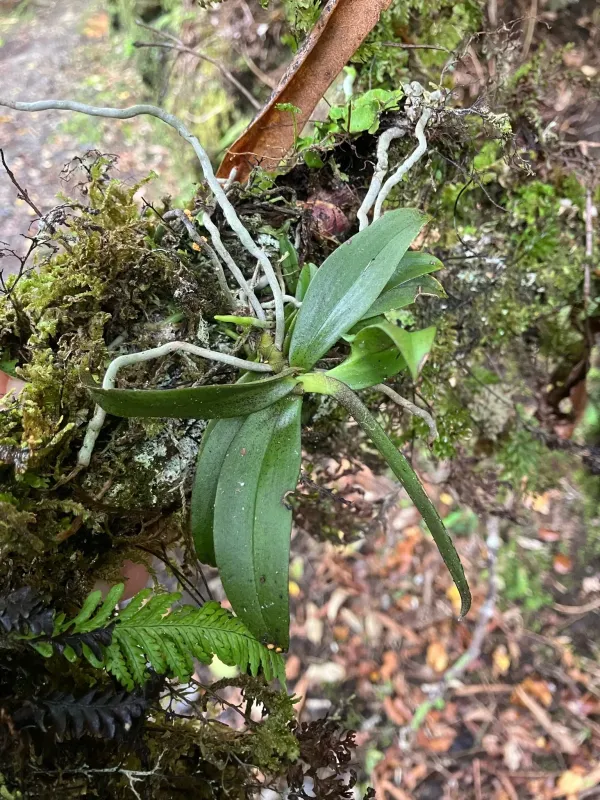
Description
Growing requirements
Drymoanthus adversus is a miniature epiphytic orchid belonging to the Orchidaceae family. It is endemic to New Zealand, where it is commonly found inhabiting the branches and trunks of native trees in various forest ecosystems.
The plant exhibits specific botanical adaptations, including a highly efficient root system designed to absorb moisture and nutrients directly from the humid forest atmosphere and the bark surface.
Cultivation of this species requires a climate that mimics its natural habitat, emphasizing the need for high relative humidity and excellent airflow around the roots to prevent rot and promote growth.
Substrate selection is critical; the plant should ideally be mounted on bark slabs or grown in a very loose, well-draining epiphyte mix that ensures aeration and prevents the waterlogging of sensitive root systems.
Consistent, bright, and diffused light is essential for the healthy development of this orchid. Growers must avoid direct, intense sunlight, which can quickly dehydrate the plant and cause permanent damage to its leaves.
Main diseases and pests
Fungal infections and root rot are the primary threats to Drymoanthus adversus, typically resulting from improper watering practices or a lack of ventilation in the growing environment.
Common pests include scale insects and mealybugs, which are notorious for hiding in the leaf axils, making early detection and manual inspection essential for successful pest management.
Spider mites can become a severe problem in dry environments, requiring the grower to increase humidity and use appropriate miticides if an infestation occurs on the foliage.
Bacterial soft rot, often triggered by water trapped in the crown of the plant, poses a significant risk to the plant's overall health and may lead to rapid death if not treated immediately.
Maintaining a clean growing area and implementing a strict quarantine protocol for any new plant arrivals are fundamental strategies for preventing the spread of diseases and pests.