
Dracontium spruceanum
Dracontium spruceanum
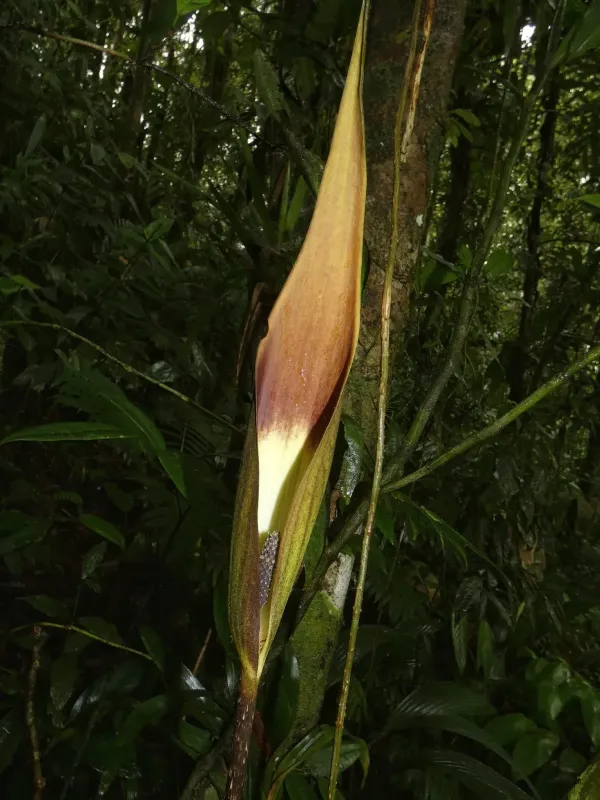
Description
Sowing dates
The planting of Dracontium spruceanum typically coincides with the beginning of the rainy season, when the soil moisture is sufficient to trigger the growth of dormant tubers. This timing is essential to ensure the successful establishment of the crop under natural conditions.
Vegetative propagation is the preferred method for this culture, usually performed by dividing large, mature tubers. It is crucial to ensure that each segment contains at least one healthy bud to facilitate rapid sprouting and root formation.
Planting density is adjusted to maintain adequate airflow around the plants. Proper spacing is a primary defense against excessive moisture buildup, which can lead to fungal infections in the developing canopy.
Tubers are buried at a depth of 10 to 15 centimeters, depending on the soil structure. In lighter forest soils, a deeper planting depth is often preferred to protect the tuber from temperature fluctuations and direct sun exposure.
Pre-planting treatments with organic fungicides are recommended to safeguard the tubers during the initial stage of development. This practice minimizes the risk of rot, which is common in high-humidity tropical environments.
Growing requirements
As a member of the Araceae family, Dracontium spruceanum thrives in specific tropical conditions. It requires consistent temperatures between 22 and 30 degrees Celsius and high atmospheric humidity to maintain its growth cycles.
The ideal substrate is loose, organic-rich soil with excellent drainage properties. Standing water is detrimental to the plant, as it rapidly induces root and tuber rot, which can destroy an entire plantation.
The plant is naturally adapted to the understory of tropical rainforests, meaning it requires partial shade. In an agricultural setting, artificial shading is often used to mimic the natural forest canopy and prevent leaf scorch.
Soil pH should remain in the neutral to slightly acidic range. Regular additions of compost or organic fertilizers are essential to ensure the plant has the nutrients required to produce high-quality, large tubers.
Mulching is a standard agricultural practice for this species. It helps stabilize soil temperature and keeps the root zone consistently moist, which is vital for sustained development throughout the growing season.
Yield
The yield of Dracontium spruceanum is measured by the biomass of the mature tubers harvested. The maturation cycle typically lasts up to one year, with size and quality being the primary metrics of success for producers.
The focus of cultivation is on maximizing the size of individual tubers, as these are the parts utilized in pharmacology and traditional medicine. Proper management throughout the growth cycle is critical for reaching these target sizes.
High-quality yields are achieved through rigorous post-harvest handling. Clean, undamaged tubers command higher market value and show better stability during storage and transport processes.
Genetic potential and the selection of mother tubers are key factors in determining the productivity of the crop. Sustainable farming practices include keeping the most vigorous plants as a source for future planting material.
As interest in plant-based pharmaceuticals grows, the economic viability of cultivating Dracontium spruceanum continues to rise, providing a stable income opportunity for specialized tropical farming operations.
Main diseases and pests
Soil-borne pests, such as nematodes, pose a significant threat to Dracontium spruceanum plantations. These organisms cause mechanical damage to the tubers, which frequently serves as an entry point for secondary bacterial infections.
Fungal pathogens represent the most common threat, especially in conditions of poor ventilation and excessive moisture. Symptoms often manifest as necrotic spots on the foliage and base, significantly hindering the plant's photosynthetic capacity.
Effective pest management is rooted in prevention, particularly through strict crop rotation protocols. Avoiding the cultivation of Dracontium on the same plot for at least three consecutive years helps break the pathogen cycle.
Early identification of infected plants and their immediate removal is essential to stop the spread of disease. Sanitation of tools after handling diseased material is a basic but critical step in maintaining farm hygiene.
Constant monitoring of the fields allows farmers to address minor issues before they become widespread. Integrating biological control methods is preferred to maintain the health and ecological balance of the plantation.
Harvesting
Harvesting begins when the plant's aerial parts naturally yellow and wither, indicating that the growth cycle is complete and nutrients have been fully translocated to the tuber.
Manual harvesting with garden forks or hoes is necessary to prevent mechanical damage. Any cut or bruise on the tuber provides a window for microbial infection, which can lead to rapid decay during the storage phase.
Immediately after harvest, tubers are cleaned of soil and debris. Controlled drying in shaded, well-ventilated areas is necessary to reduce the surface moisture level, which helps prevent mold development.
Storage should take place in cool, dry areas away from direct sunlight. Under these conditions, the biological compounds in the tubers remain stable, ensuring the quality of the raw material remains intact.
Final sorting and packaging prepare the crop for distribution. By adhering to strict harvesting guidelines, farmers can ensure the highest standard of the product, meeting the requirements of both market and medical applications.