
Dracontium soconuscum
Dracontium soconuscum
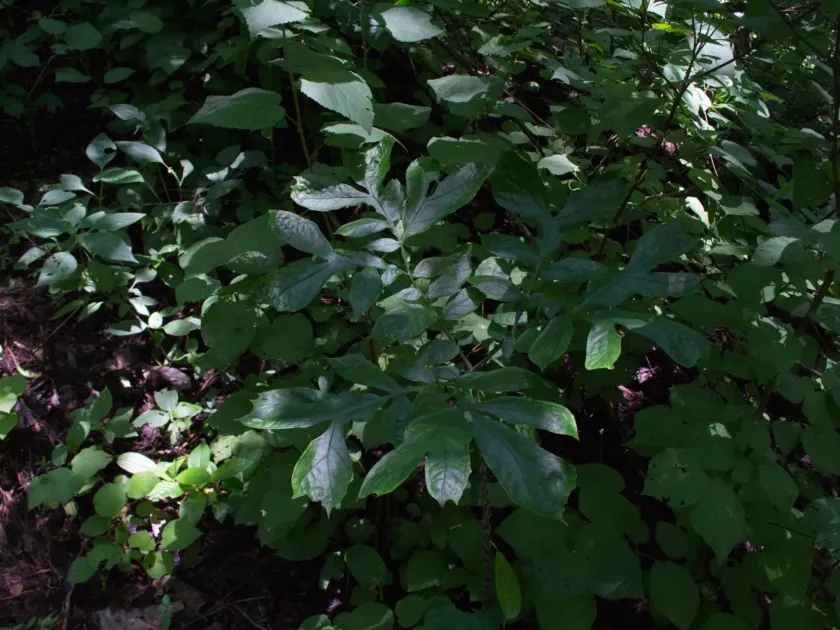
Description
Growing requirements
Dracontium soconuscum is a fascinating species belonging to the Araceae family. Originally native to the tropical regions of Mexico and Central America, it is a tuberous herbaceous plant known for its unique lifecycle and massive, dissected leaf structure.
The botanical structure of this plant consists of a large underground corm that stores starch and nutrients, supporting the emergence of a single, highly divided leaf and a distinctive inflorescence consisting of a spadix and a spathe.
Regarding climate requirements, the plant thrives in tropical conditions. It demands consistent warm temperatures, ideally ranging between 22°C and 30°C, and requires high humidity levels to maintain optimal vegetative growth throughout the season.
The soil for cultivation must be well-draining, loose, and rich in organic matter. Sandy loam or soil mixes with significant humus content provide the best environment, as poor drainage is the primary cause of corm failure in commercial production.
Agronomic management focuses on moisture regulation. While the plant loves humidity, it cannot tolerate waterlogged soils, which immediately lead to rot. Consistent, moderate irrigation during the active growing season is essential for the healthy development of the tubers.
Main diseases and pests
The main threats to Dracontium soconuscum include soil-borne fungal pathogens that target the tuber. Overwatering is the most critical risk factor, leading to soft rot that can devastate an entire crop in a short time.
Leaf-feeding pests, such as aphids and spider mites, are common in greenhouse environments. Integrated pest management strategies, focusing on biological controls and environmental regulation, are recommended to maintain plant vitality.
Harvesting
Harvesting is performed once the plant enters its dormancy phase, signaled by the yellowing and collapse of the leaf stalk. This ensures that the energy reserves are fully stored in the underground corm, maximizing the yield potential.
Manual harvesting is the preferred method to prevent bruising the sensitive skin of the tubers. Any damage to the corm surface significantly increases the risk of post-harvest decay during storage periods.
After harvest, the tubers must be cleaned and cured in a shaded, well-ventilated area to allow the skin to harden. Proper storage in cool, dry conditions is necessary to maintain the viability and nutritional quality of the tubers for future use.