
Dracontium polyphyllum
Dracontium polyphyllum
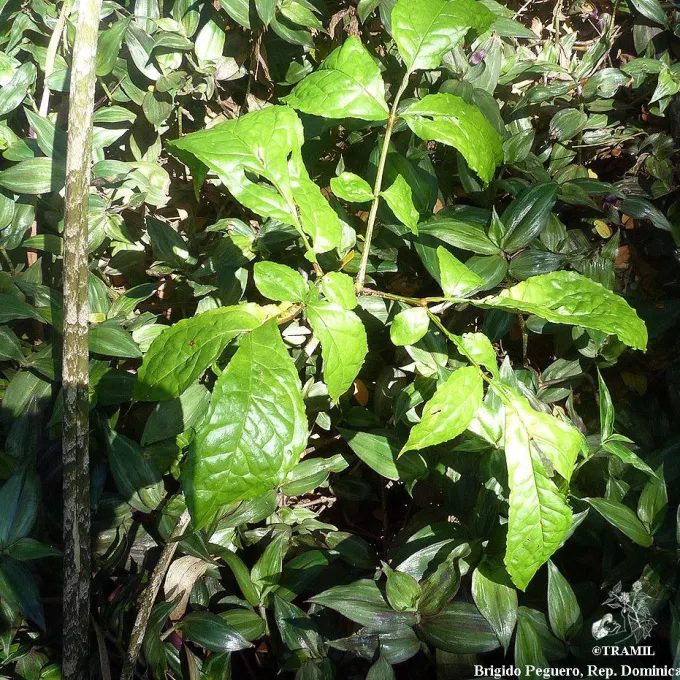
Description
Sowing dates
Propagation of Dracontium polyphyllum in agricultural settings is primarily achieved through vegetative means by dividing mature underground tubers. Planting is ideally timed for the beginning of the rainy season, which provides the necessary moisture for rapid establishment and root development.
If propagation via seeds is utilized, sowing must be performed immediately after collection, as the seeds lose viability very quickly. Seeds are sown into a light, organic-rich substrate, maintaining high humidity and a constant temperature of approximately 25–28 degrees Celsius.
In large-scale or home farming, it is critical to observe proper spacing between plants, as the species develops massive, highly dissected leaves that require significant room. A recommended planting distance is at least 60–80 centimeters per plant.
Soil preparation includes incorporating substantial amounts of compost or humus to ensure excellent drainage. The species is highly sensitive to waterlogged conditions, making raised beds or mounds essential in heavy or clay-based soils.
Managing the dormancy period is a key aspect of cultivation. After the foliage dies back naturally, the tubers remain in the soil or are harvested for storage, requiring careful monitoring to prevent complete desiccation while avoiding damp rot.
Growing requirements
Dracontium polyphyllum belongs to the Araceae family and is native to the tropical rainforests of South America. Successful cultivation requires a warm, humid climate, with air humidity levels consistently staying above 70–80 percent.
The optimal temperature range for active growth is between 22 and 30 degrees Celsius. Exposure to temperatures below 15 degrees Celsius is detrimental, often leading to immediate cessation of growth and potential decay of the root system.
The preferred soil is fertile, loose, and slightly acidic, with a high content of organic matter. The crop thrives in partial shade; direct tropical sunlight is generally too intense and can scorch the large leaf blades, necessitating the use of shade cloth or agroforestry systems.
Excellent soil aeration is non-negotiable for this species. If the growing medium is too dense, it must be amended with coarse sand, perlite, or organic mulch to prevent the asphyxiation of the tubers.
During the growing season, regular irrigation is required to keep the soil moist but never saturated. Effective drainage is the most critical agricultural requirement to prevent the development of fungal pathogens in the tuber tissues.
Yield
The primary agricultural objective of growing Dracontium polyphyllum is the production of the large, starch-rich tubers. Yield is heavily dependent on the plant's age, local climate conditions, and the intensity of nutrient management.
Under optimal conditions with balanced fertilization, the tubers can achieve significant mass. The harvest occurs after the natural senescence of the foliage, at which point the energy has been fully translocated into the tuber for the upcoming season.
Economically, the tubers are used locally in traditional cuisine and as a source of medicinal compounds in various tropical regions. There is ongoing interest in the species for its potential in pharmacological applications due to its unique chemical profile.
Maximizing yield requires diligent care of the leaf apparatus, as the photosynthetic surface area directly impacts the tuber's growth. Potassium-rich fertilizers are recommended to enhance tuber quality and shelf life.
Harvested products should be graded by size and health status. Larger, healthy tubers are retained for future planting cycles, while smaller or damaged ones can be processed for specific starch-based or medicinal purposes.
Main diseases and pests
The most significant threats to Dracontium polyphyllum are root and tuber rot, primarily caused by fungal pathogens such as Phytophthora and Pythium species. Prevention is focused on rigorous water management and soil sanitation.
Spider mites are the most common pests, particularly during drier spells when humidity drops. These pests attack the foliage, sucking nutrients and weakening the plant, and can be managed through localized applications of water or mild organic miticides.
Scale insects and mealybugs can occasionally infest the leaf petioles. Regular inspections are necessary to identify these colonies early and prevent them from spreading across the entire plantation.
Viral infections can be transmitted through tools, especially during the division of tubers. Strict disinfection protocols for all agricultural implements are mandatory to prevent the rapid spread of systemic viruses throughout the crop.
Storage of tubers during the dormant phase requires careful climate control. If stored in conditions that are too humid, mold will quickly destroy the crop; if too dry, the tubers will wither and lose their viability.
Harvesting
Harvesting begins when the foliage has yellowed and dried out completely. This natural process ensures that the tuber has reached maturity and contains the maximum concentration of stored nutrients, essential for the plant's next growth cycle.
Care must be taken during the digging process to avoid mechanical injuries to the tuber's surface. Any cut or bruise becomes a primary entry point for bacteria and fungi, leading to rapid post-harvest rot.
After excavation, the tubers should be cleaned of soil and dried in a well-ventilated, shaded environment. Direct exposure to sunlight during this drying stage is prohibited, as it can cause heat stress and skin damage.
For long-term storage, the tubers are usually stored in dry peat, sand, or coconut coir at a stable temperature of 15–18 degrees Celsius. This method keeps the tubers isolated and dry.
Periodic inspection of the stored tubers is necessary to identify and remove any diseased or rotting units before they affect the surrounding healthy stock, ensuring the stability of the planting material for the next season.