
Dontostemon glandulosum
Dontostemon glandulosum
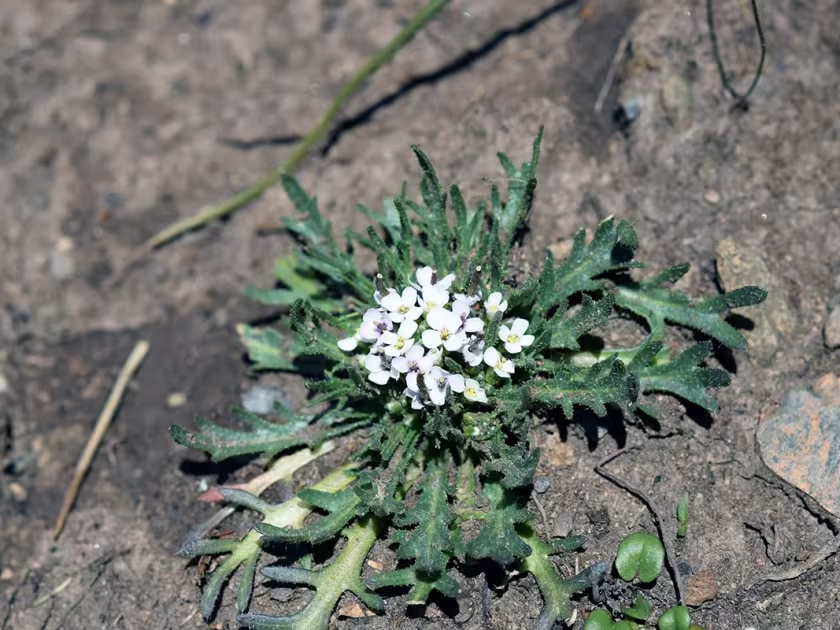
Description
Sowing dates
Sowing of Dontostemon glandulosum is carried out in early spring as soon as soil temperatures reach 8–10°C, ensuring a stable thermal regime for germination.
Seeds are sown at a shallow depth of 1–2 centimeters, which is optimal for small-seeded crops to ensure rapid emergence and uniform stand density.
Standard row spacing of 30–45 centimeters is recommended to provide each plant with adequate space for root and vegetative development throughout the season.
Proper seedbed preparation is critical, as a fine-grained, level soil surface significantly improves the rate of seedling establishment and overall crop uniformity.
While winter sowing is possible in certain climates to utilize early spring moisture, it requires precise timing to avoid germination before the arrival of winter frost.
Growing requirements
As a member of the Brassicaceae family, Dontostemon glandulosum thrives in well-drained, light-textured soils such as sandy loams or silty loams with a neutral pH.
The plant requires full sun exposure and performs poorly in shaded environments, necessitating open field locations for optimal photosynthetic efficiency.
Moderate drought tolerance is a characteristic of this species, yet consistent moisture is highly beneficial during the critical flowering and pod-filling stages.
Adequate soil drainage is essential, as waterlogged conditions in the root zone can lead to rapid decay and poor crop performance in more humid regions.
Balanced fertilization, particularly with phosphorus and potassium, encourages stronger stem development and increases the plant's resilience to fluctuating environmental conditions.
Yield
The total yield of Dontostemon glandulosum depends heavily on the timing of agricultural interventions and the management of field conditions during the growing cycle.
In optimal growing conditions, the crop produces significant biomass, which can be harvested for industrial purposes or incorporated back into the soil as green manure.
Generative productivity is measured by the formation of numerous pods containing high-quality seeds, which are the primary interest for many cultivation programs.
Adoption of modern agronomic practices, including timely weeding and nutrient management, can lead to substantial increases in seed yield per hectare.
Effective weed suppression during the early weeks of crop development is the most significant factor in securing high-quality output and harvest efficiency.
Main diseases and pests
Dontostemon glandulosum is susceptible to common Brassicaceae pests, most notably flea beetles, which can cause significant damage during the early seedling phase.
High humidity and poor air circulation within the canopy can increase the incidence of fungal diseases like downy mildew, which may reduce the crop's photosynthetic capacity.
A structured crop rotation plan is the most effective preventative strategy, ensuring the crop is not planted in the same soil more frequently than every three years.
Integrated pest management protocols, including regular field scouting and monitoring, help to detect early signs of infestation before they reach economic damage thresholds.
When chemical intervention is necessary, it must be performed with precision to control the targeted pest while minimizing the impact on beneficial insects and soil health.
Harvesting
Harvesting should occur when the plants reach full seed maturity, characterized by pods that have changed color and show signs of natural brittleness.
Timing is crucial to prevent yield loss through pod shattering; therefore, the crop should be gathered promptly once the optimal moisture content is reached.
Direct combine harvesting is the standard method, provided that the machine settings are carefully calibrated to handle the small seeds without mechanical damage.
Immediate post-harvest cleaning and drying are required to stabilize the seed moisture content, preventing spoilage and maintaining high viability for storage.
Storage facilities must be kept cool and dry to prevent the growth of molds and ensure the long-term preservation of the harvested seed lot quality.