
Dioon spinulosum
Dioon spinulosum
Description
Growing requirements
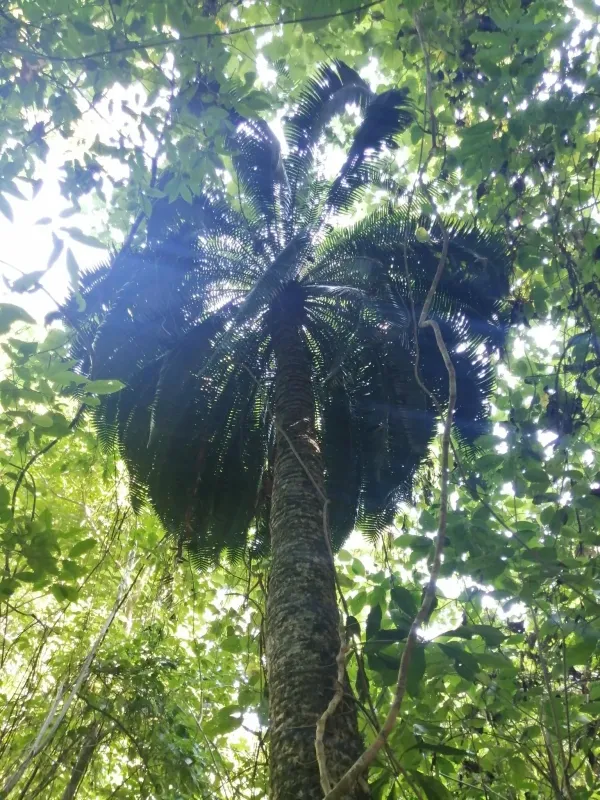
Dioon spinulosum, commonly known as the Giant Dioon, is a prominent member of the Zamiaceae family. Native to the tropical rainforests of Mexico, this cycad is renowned for its remarkable size and resilience in limestone-rich environments.
Botanically, it is characterized by a tall, columnar stem that can reach heights of up to 10 meters in its native habitat. The leaves are pinnate, elongated, and lined with sharp, spine-like margins, which provide a distinctive ornamental appearance.
The cultivation of this plant requires a tropical or subtropical climate where temperatures remain above freezing throughout the year. In colder regions, it is strictly managed as a greenhouse or indoor container plant requiring ample space.
Soil composition is critical for long-term survival; it demands a well-draining, gritty substrate that prevents water stagnation. A mix of pumice, perlite, and organic loam is generally recommended to ensure the roots receive adequate aeration.
In terms of usage, the plant is highly valued for botanical garden displays and premium landscaping projects. Due to its slow growth rate and architectural form, it serves as a long-term investment for greenhouse curators and collectors.
Main diseases and pests
The primary agronomic threat to Dioon spinulosum is root rot, typically caused by poorly drained substrate or excessive irrigation. Once the root system is compromised, the vascular integrity of the plant declines rapidly.
Insect pests such as scale insects and mealybugs are frequent issues in greenhouse environments. These pests congregate in the crevices of the leaf bases, causing significant sap loss and secondary infections.
Spider mites are common in low-humidity environments, leading to stippling on the leaflets and reduced photosynthesis. Maintaining optimal humidity and regular misting are effective preventative measures against mite infestations.
Fungal leaf spot diseases can occur if the foliage remains wet for extended periods in low-light, stagnant air conditions. Improving air circulation around the crown is essential to prevent the spread of fungal pathogens.
Effective management requires integrated pest control strategies, including periodic application of horticultural oils and strict sanitation of the growing area to remove any decaying plant material.