
Virgin's palm
Dioon edule
Description
Growing requirements
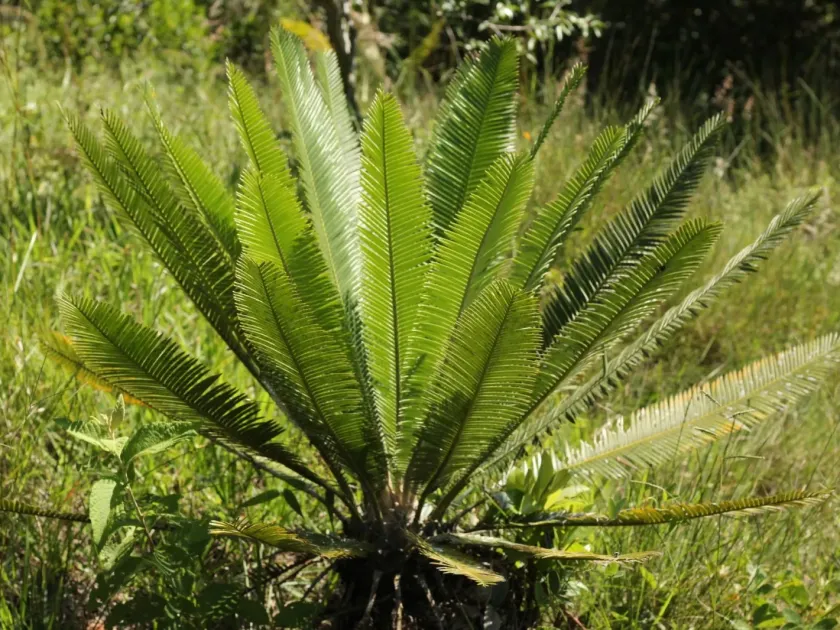
Dioon edule, commonly known as Virgin's palm, is a slow-growing cycad species native to the tropical and subtropical regions of Mexico. It belongs to the Zamiaceae family and is recognized for its architectural beauty and durability.
Botanically, the plant features a woody trunk and stiff, pinnate leaves that can reach a significant length. It is a dioecious species, meaning male and female cones are produced on separate individual plants.
The culture thrives in well-draining, gritty soil compositions that prevent water retention. A potting mix consisting of inorganic materials like coarse sand, perlite, and small gravel is recommended to mimic its natural rocky habitat.
Dioon edule requires high light intensity to maintain its compact growth habit. While it can survive in partial shade, prolonged periods of low light will lead to stretched, weak foliage and an overall decline in plant health.
In terms of agricultural management, irrigation should be infrequent. The plant relies on its internal reserves, and overwatering is the most common cause of failure in cultivation, leading to rapid root decay.
Main diseases and pests
Scale insects and mealybugs are the most prevalent pests affecting Dioon edule. These insects hide in the crevices of the trunk and the base of the leaves, drawing sap and weakening the plant's structural integrity.
Root rot caused by fungal pathogens is the primary disease threat for this species. It typically occurs when the substrate remains saturated for too long, depriving the roots of necessary oxygen and creating a breeding ground for fungi.
Managing these threats requires a proactive approach. Using horticultural oils or systemic insecticides can control infestations, provided they are applied during early stages of detection.
Maintaining a dry environment around the crown of the plant is essential. Proper airflow significantly reduces the likelihood of fungal spores settling and germinating on the plant surfaces.
Annual monitoring of the root zone and immediate isolation of any symptomatic plants are critical components of a successful integrated pest management strategy for this cycad species.