
Dioon purpusii
Dioon purpusii
Description
Growing requirements
Dioon purpusii is a notable member of the Zamiaceae family, classified as a cycad, which is a group of ancient gymnosperms that have remained relatively unchanged for millions of years.
Native to the Mexican regions of Oaxaca and Puebla, this plant thrives in rocky, well-drained terrains often found on steep mountain slopes and canyons.
For successful cultivation, the plant requires a sandy, highly porous soil mix that ensures rapid water drainage, as the roots are highly susceptible to rot.
In a horticultural setting, it demands high levels of natural or artificial light, coupled with a consistent ambient temperature to support its slow metabolic growth rate.
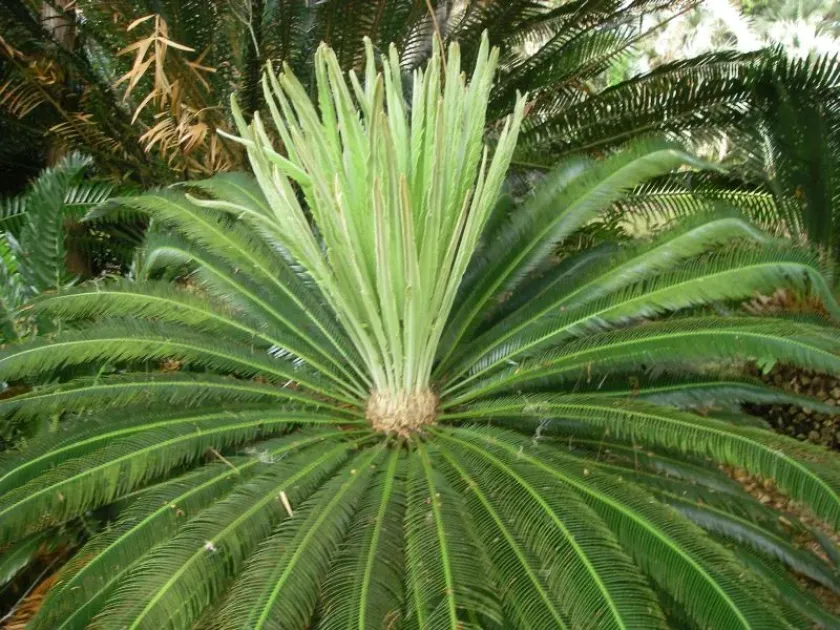
The botanical structure consists of a stout, woody trunk and stiff, pinnate fronds that form a distinctive architectural crown, making it a highly prized ornamental plant.
Main diseases and pests
The most critical physiological threat to Dioon purpusii is root rot, which typically occurs due to poor soil aeration or excessive moisture during the plant's dormant cycle.
Pest management is centered on the control of armored scale insects and mealybugs, which tend to congregate in the protected crevices between the leaf leaflets.
In low-humidity environments, spider mites can become a significant nuisance, necessitating regular inspection of the fronds and appropriate moisture management.
Fungal pathogens often appear if the plant is kept in overly stagnant conditions; thus, proper air circulation is essential for maintaining a disease-free specimen.
Integrated pest management strategies should prioritize non-toxic cleaning methods, such as neem oil applications, before resorting to stronger chemical pesticides.