
Dimeria ornithopoda
Dimeria ornithopoda
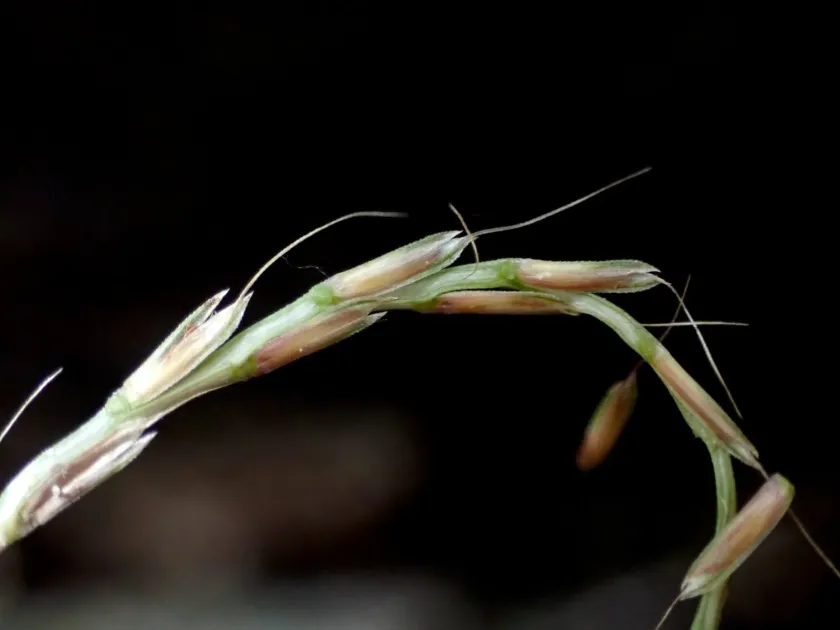
Description
Growing requirements
Dimeria ornithopoda is an herbaceous plant species belonging to the Poaceae family. It is recognized for its unique, branched inflorescences which are shaped like a bird's foot, a distinct trait that characterizes this genus among other tropical grasses.
The plant originates from the tropical and subtropical regions of Asia. Its natural habitat is diverse, ranging from wet paddy field margins to disturbed, open grassy areas, demonstrating its natural ability to colonize various ecological niches with sufficient moisture.
The climate requirements of this grass are centered around high heat and humidity. It is a thermophilic plant that thrives during the wet season in its native distribution range, requiring significant rainfall to reach its maximum biomass potential during the growing cycle.
Regarding soil conditions, Dimeria ornithopoda prefers moist, well-draining soils. While it exhibits tolerance for various soil textures, it is most productive in soils with high organic matter content and a neutral to slightly acidic pH level, essential for nutrient uptake.
In terms of agricultural application, it serves as a source of forage for livestock in native grazing systems. Due to its hardiness and ability to spread through seeds, it is often managed as a perennial or self-seeding annual, supporting sustainable pasture management.
Main diseases and pests
Common fungal diseases, such as leaf blight and rust, are the primary biological threats. These pathogens typically emerge during periods of high humidity and excessive rainfall, leading to chlorosis and potential tissue necrosis if left untreated.
Insect pests, including various aphids and grass-feeding larvae, pose a risk to the vegetative growth of the crop. These pests can significantly reduce yields if infestation occurs during the early stages of plant development and vegetative expansion.
Environmental stress factors, specifically waterlogging, can hinder root respiration and lead to root decay. Effective drainage systems are crucial to protect the crop health and ensure that the plants can withstand common soil-borne pathogens.
Weed management is another critical aspect of crop protection. Aggressive competition from weeds during the seedling establishment phase can suppress Dimeria growth, necessitating timely manual or mechanical weeding strategies to maximize pasture quality.
Sustainable cultivation requires regular inspection of the crop canopy to detect any signs of stress or pest activity. Integrated pest management, which prioritizes biodiversity, is recommended to keep the population of harmful insects under control without excessive chemicals.